
The Day You Notice Your Water Is Working Against You
It usually doesn’t happen all at once. There’s no dramatic warning, no obvious sign flashing that something is wrong. Instead, it creeps in slowly—through small frustrations that seem…
It usually doesn’t happen all at once. There’s no dramatic warning, no obvious sign flashing that something is wrong. Instead, it creeps in slowly—through small frustrations that seem unrelated at first.
Maybe your dishes come out of the dishwasher with cloudy spots. Or your soap refuses to lather properly no matter how much you use. You might notice your skin feels dry after showers, or your laundry never feels quite as soft as it should.
For a while, you ignore it. You assume it’s just part of daily life.
- Why Reliable Appliance Repair and Installation Really Matters for Your Home
- The Secret to a More Comfortable Home Might Be Flowing Through Your Pipes
- Cleaner Water Starts With the Choices You Make at Home
- Better Water at Home Starts with What You Don’t See
- Is Professional Cleaning Noticeable? Here Is What I Experienced With Happy Clean
But eventually, a thought starts forming: what if the real issue isn’t your detergent, your appliances, or your routine?
What if it’s your water?
Understanding What Hard Water Really Means
Hard water is incredibly common, especially in areas where groundwater flows through mineral-rich soil and rock. As it travels underground, water naturally absorbs calcium and magnesium—two minerals responsible for most hardness issues.
These minerals aren’t harmful to drink, but they can quietly disrupt daily life in ways many people don’t immediately recognize.
They leave behind residue on fixtures, reduce the effectiveness of soaps and detergents, and build up inside pipes and appliances.
Over time, these small effects combine into larger challenges that affect both comfort and efficiency.
The Everyday Impact of Hard Water
Most homeowners first notice hard water problems through cleaning frustrations.
Glassware looks cloudy no matter how carefully it’s washed. Faucets develop white chalky deposits that return quickly after cleaning. Showerheads may clog with mineral buildup.
Even personal care routines are affected. Hard water can strip natural oils from skin and hair, leaving them feeling dry or irritated.
And while these issues may seem minor individually, together they create a constant sense that something isn’t working as smoothly as it should.
Why Hard Water Affects Your Home Infrastructure
Beyond visible inconveniences, hard water also impacts your home’s internal systems.
Mineral deposits accumulate inside pipes, reducing water flow and increasing pressure strain. Appliances that rely on heated water—such as water heaters, washing machines, and dishwashers—must work harder when scale buildup forms.
This extra effort often leads to higher energy bills and more frequent repairs.
Because these changes happen gradually, homeowners often don’t connect them to water quality until the damage becomes significant.
How Water Softening Changes Everyday Life
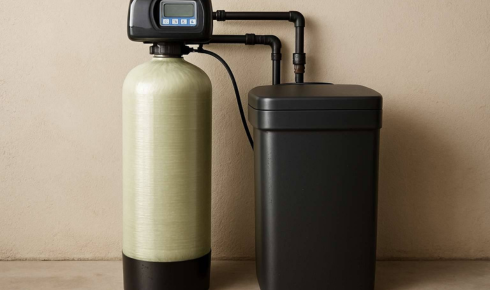
For many households, installing water softener systems becomes a turning point.
These systems work by removing excess calcium and magnesium from water before it enters your home’s plumbing.
The results often feel subtle but noticeable. Soap begins to lather more easily. Cleaning requires less effort. Laundry feels softer and brighter.
Showers become more comfortable because softened water is gentler on skin and hair.
It’s not a dramatic transformation—it’s a steady improvement that quietly enhances daily routines.
The Role of Comprehensive Water Treatment
While softening addresses mineral hardness, many homes also benefit from broader water treatment solutions that improve overall water quality.
These systems may include filtration technologies designed to remove sediments, chlorine, and other impurities that affect taste and usability.
Comprehensive treatment ensures that water used for drinking, cooking, cleaning, and bathing meets higher standards of purity and performance.
For families, this often leads to greater peace of mind and improved comfort throughout the home.
The Financial Benefits of Better Water Quality
One of the lesser-known advantages of water treatment involves long-term savings.
Hard water buildup reduces the efficiency of appliances, increasing energy consumption. It can also shorten the lifespan of plumbing systems and household equipment.
By preventing scale accumulation, water treatment systems help appliances operate more efficiently and last longer.
Over time, this reduces maintenance costs and replacement expenses—often offsetting the initial investment.
Why Local Conditions Matter
Water quality varies widely depending on geography, infrastructure, and supply sources.
That’s why effective solutions often begin with professional water testing.
Testing provides detailed information about mineral levels, contaminants, and overall composition. With this knowledge, treatment systems can be tailored to address specific challenges rather than relying on generic solutions.
Working with experienced local professionals ensures better system performance and long-term reliability.
Small Changes That Add Up Over Time
One of the most interesting aspects of improving water quality is how gradually its benefits become apparent.
You may not notice a dramatic difference overnight. But over weeks and months, everyday routines become smoother and more efficient.
You use less detergent. Spend less time cleaning. Experience fewer appliance repairs.
These small improvements quietly contribute to a more comfortable and cost-effective home environment.
A Simple First Step Toward Better Water
For homeowners unsure about their water quality, the journey often begins with a simple step: testing.
Professional testing provides clear insights into water composition and helps identify potential issues before they become major problems.
From there, tailored treatment solutions can ensure effective and lasting improvements.
A Quiet Upgrade That Makes a Big Difference
Unlike visible home renovations, water treatment operates silently in the background.
You don’t see it happening—you simply notice the results.
Cleaner dishes. Softer laundry. More refreshing showers. Better-tasting drinking water.
These small changes gradually transform how your home feels, creating an environment that is more comfortable, efficient, and supportive of daily life.