
Why More Homeowners Are Finally Paying Attention to What’s Really in Their Water
For years, water has been the most taken-for-granted part of home life. It’s always there, always flowing — until something feels off, and suddenly you realize how much…
For years, water has been the most taken-for-granted part of home life. It’s always there, always flowing — until something feels off, and suddenly you realize how much it actually matters.
There’s a quiet kind of trust we place in the water that comes out of our taps. We assume it’s fine because it looks clear. We drink it, cook with it, bathe in it — rarely stopping to question what’s really in it or how it affects our homes.
But recently, more homeowners have started noticing small clues that make them pause. Maybe it’s a strange taste that shows up occasionally, or white residue forming around faucets. Sometimes it’s subtler — dry skin after showers, laundry that feels stiff, or appliances that don’t seem to last as long as they should.
- Why Reliable Appliance Repair and Installation Really Matters for Your Home
- The Secret to a More Comfortable Home Might Be Flowing Through Your Pipes
- Cleaner Water Starts With the Choices You Make at Home
- Better Water at Home Starts with What You Don’t See
- Is Professional Cleaning Noticeable? Here Is What I Experienced With Happy Clean
These little signs often spark a bigger question: is our water really as clean and balanced as we think?
And once people begin exploring that question, they usually discover something surprising — improving water quality isn’t just about drinking water. It’s about the entire home environment.
When Clear Water Isn’t Necessarily Clean
One of the biggest misconceptions about household water is that clarity equals quality. If water looks clear, smells normal, and tastes okay, most people assume there’s nothing to worry about.
But many common water issues are invisible.
Chlorine used for municipal disinfection, trace heavy metals from old pipes, mineral buildup from groundwater — none of these are obvious at first glance. Yet they can quietly impact everything from plumbing systems to personal comfort.
That’s why many homeowners eventually turn to water treatment services. These professionals don’t just install equipment — they help identify what’s actually in your water through testing and recommend solutions tailored to specific issues.
It’s often the first step toward truly understanding your home’s water quality.
The Hidden Cost of Hard Water
Among the most common water challenges homeowners face is hardness — the presence of dissolved minerals like calcium and magnesium.
Hard water isn’t unsafe, but it can create a cascade of everyday inconveniences. Soap doesn’t lather properly, cleaning becomes more difficult, and appliances slowly accumulate scale inside their components.
Over time, these effects translate into higher maintenance costs, reduced efficiency, and frequent repairs.
This is where water softeners come into play. By removing excess minerals, they help protect plumbing systems, extend appliance lifespan, and make daily tasks like laundry and cleaning noticeably easier.
For many households, the improvement feels subtle at first — until they realize how much smoother everyday routines have become.
Why Filtration Goes Beyond Drinking Water
While softeners address mineral issues, filtration focuses on a different aspect of water quality: removing contaminants.
Many homeowners initially install filters only at kitchen sinks, assuming that drinking water is the primary concern. But water flows throughout the entire home — into showers, washing machines, dishwashers, and even ice makers.
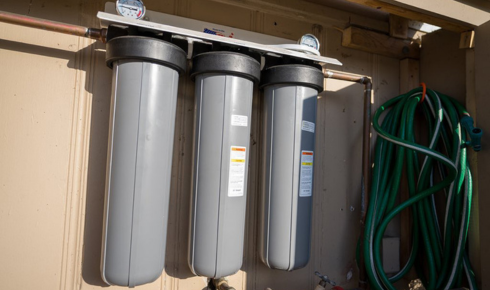
This is why whole home filtration systems have become increasingly popular. Instead of treating water at a single tap, these systems improve water quality at the point where it enters the house.
The result is consistency — cleaner water for every use, from bathing to cleaning to cooking.
It’s a shift in perspective: treating water not as a single-use resource, but as an essential part of the entire living environment.
How Water Quality Affects Daily Comfort
Improving water quality isn’t just about safety or maintenance — it also has a surprisingly personal impact.
Balanced water feels gentler on skin and hair. Showers become more refreshing. Laundry comes out softer and cleaner. Even cooking can improve, as filtered water enhances the taste of beverages and food.
These changes might seem small individually, but together they transform daily routines.
Many homeowners describe it as a “quiet upgrade” — something you don’t fully appreciate until you experience it.
Understanding That Every Home Is Different
One important thing to remember is that water quality issues vary widely depending on location and water sources.
Homes relying on well water often face sediment and iron challenges, while municipal water users may deal more with chlorine or pipe-related contaminants.
Because of these differences, there’s no universal solution.
Water testing is often the most valuable first step, helping homeowners understand their specific situation before investing in treatment systems.
It turns guesswork into informed decision-making.
The Long-Term Benefits of Improving Water Quality
Beyond immediate comfort and convenience, addressing water quality offers significant long-term advantages.
Appliances operate more efficiently, reducing energy consumption. Plumbing systems experience less scale buildup, minimizing repair costs. Cleaning becomes easier, requiring fewer chemicals and less effort.
Over time, these benefits translate into both financial savings and improved quality of life.