
When the Water at Home Starts Telling a Story You Didn’t Expect
There’s something oddly comforting about turning on a tap and not thinking twice about what flows out. Most of us grow up assuming water is… just water. Clean,…
There’s something oddly comforting about turning on a tap and not thinking twice about what flows out. Most of us grow up assuming water is… just water. Clean, safe, ordinary. But every now and then, something shifts — a faint smell, stubborn stains on sinks, dry skin that won’t settle no matter what lotion you try. And suddenly, that everyday convenience starts asking questions.
I’ve noticed that people don’t usually care about water quality until it starts affecting their daily routine. It sneaks in quietly. A glass that tastes slightly off. A shower that leaves your hair feeling rough instead of refreshed. Little signs, easy to ignore — until they’re not.
The Subtle Clues Your Water Is Leaving Behind
Sometimes the signs aren’t dramatic. No big alarms. Just a series of small inconveniences stacking up over time. You might notice white spots on dishes even after a thorough wash. Or maybe your appliances — kettle, washing machine — seem to age faster than they should.
- Why Reliable Appliance Repair and Installation Really Matters for Your Home
- The Secret to a More Comfortable Home Might Be Flowing Through Your Pipes
- Cleaner Water Starts With the Choices You Make at Home
- Better Water at Home Starts with What You Don’t See
- Is Professional Cleaning Noticeable? Here Is What I Experienced With Happy Clean
That’s often where conversations around water softeners begin. Not because someone woke up one day fascinated by plumbing systems, but because their home started behaving differently. Hard water, loaded with minerals like calcium and magnesium, has a way of leaving its mark — on surfaces, fabrics, even your skin.
It’s not exactly dangerous in most cases, but it’s persistent. And over time, it adds up. Pipes clog slowly, efficiency drops, and suddenly you’re replacing things sooner than expected. That’s when people start thinking, “Maybe there’s a better way to deal with this.”
Why “Good Enough” Water Isn’t Always Good Enough
Here’s the thing — municipal water systems do their job. They treat water to meet safety standards, and that’s important. But “safe” doesn’t always mean “ideal for your home.”
There can still be residual chlorine, trace contaminants, or sediment that affects taste and usability. And while you might not see it clearly, your body and your home often feel the difference.
I remember talking to someone who said their morning coffee never tasted quite right, no matter how premium the beans were. Turns out, the issue wasn’t the coffee at all — it was the water. Once they addressed that, everything changed. Funny how something so basic can influence so much.
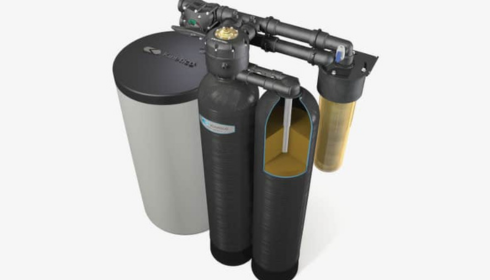
That’s where whole home water filtration systems come into the picture. Instead of targeting a single tap or appliance, they work quietly in the background, treating water as it enters your home. Every shower, every load of laundry, every glass of water — all improved in one go.
It’s not about luxury, really. It’s about consistency. About knowing that no matter where you turn the tap, the quality stays the same.
A Local Perspective Matters More Than You Think
Water isn’t the same everywhere. What works in one region might not be necessary — or even effective — in another. Local water composition plays a huge role in deciding what kind of treatment makes sense.
Take areas like Florida, for example. The water there often carries specific mineral profiles and environmental influences. That’s why solutions tailored for Jacksonville water treatment tend to focus on a mix of hardness control and filtration for organic compounds.
And honestly, that local angle is often overlooked. People buy generic systems online, hoping for a quick fix, only to realize later that their specific water issues weren’t really addressed. It’s a bit like taking the wrong medicine — it might not harm you, but it won’t solve the problem either.
Understanding your local water is half the battle. The rest is choosing a solution that actually fits.
It’s Not Just About Drinking Water
We tend to think about water quality in terms of what we drink. Makes sense, right? But the truth is, most of our water usage isn’t for drinking at all.
It’s in the showers we take every morning. The clothes we wash. The dishes we use daily. Even the way our skin feels at the end of the day — all of it is influenced by water.
Hard water can leave your skin feeling tight, almost irritated. Hair becomes harder to manage. Soap doesn’t lather quite the way it should. These aren’t life-threatening problems, but they do affect your comfort. Your routine. Your sense of ease at home.
And when those little discomforts disappear, you notice. You feel it in ways that are hard to quantify but easy to appreciate.
The Long-Term View: Small Changes, Big Impact
There’s also a financial side to this, though people don’t always think about it upfront. Appliances last longer with better water quality. Plumbing systems stay cleaner. You use less detergent, less soap — because they actually work more efficiently.
Over time, those small savings start adding up. Not in a dramatic, overnight way, but gradually. Quietly. Kind of like how the problems built up in the first place.
It’s a bit ironic, really. The same thing we take for granted every day — water — can either wear down our home or help preserve it, depending on how it’s managed.
Finding That Balance at Home
At the end of the day, improving water quality isn’t about chasing perfection. It’s about making your home feel a little better, a little more comfortable, a little more… yours.
Some people start small — maybe a single filtration unit under the kitchen sink. Others go all in with complete systems that treat every drop entering the house. There’s no one-size-fits-all answer, and that’s okay.
What matters is paying attention. Noticing those small signs. Asking questions when something feels off. Because often, the solution isn’t as complicated as it seems — it just requires a shift in perspective.