

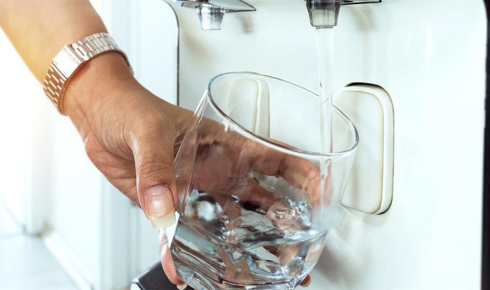
There’s something oddly comforting about walking into a home that smells fresh, feels breathable, and delivers clean, crisp water straight from the tap. It’s one of those things you don’t think much about—until something feels off. Maybe the air seems heavier lately. Or the water tastes a little… metallic. We brush it off. Life’s busy. But beneath the surface, both literally and figuratively, there could be deeper issues affecting your health, comfort, and peace of mind.
Welcome to the intersection of modern living and environmental reality. Let’s talk about why now, more than ever, homeowners should be paying close attention to the air and water quality inside their homes—and what you can do about it.
The Hidden Story Behind Your Water Glass
You fill your bottle from the kitchen sink, or maybe you’re grabbing ice for a smoothie. Most of us assume that if water runs clear, it’s safe. But that assumption doesn’t always hold.
Contaminants like lead, microplastics, chlorine byproducts, or agricultural runoff might not show up in taste or appearance. Municipal systems do their best, sure. But by the time water reaches your home, it can carry a cocktail of elements that don’t belong in your body. And if you’re on a private well? That’s a whole different set of challenges.
This is why understanding water quality is more than a niche concern—it’s a foundational aspect of daily health. It affects your digestion, your skin, your hair, and even the longevity of your appliances. And for families with children, the stakes are even higher.
Filters Aren’t Just for Instagram
So, what’s the fix? For many, it starts with choosing the right water filtration system. But here’s the kicker—not all filters are created equal.
Pitcher filters may improve taste, but they’re not removing arsenic or nitrates. A reverse osmosis system? That’s a powerhouse—but it might also strip out beneficial minerals. Then there are whole-house systems, under-sink units, UV filters… it’s a lot.
The best approach is one rooted in knowledge. Get your water tested. Know your source. Then choose a filtration system that targets what you actually need removed. It’s not about having the fanciest gear—it’s about having the right solution for your unique water profile.
Indoor Air: The Silent Wellness Threat
Now let’s shift gears. Take a deep breath. Feels clean?
It might not be.
Indoor air is often 2 to 5 times more polluted than outdoor air. Crazy, right? Between dust, pet dander, VOCs from furniture, mold spores, and all the invisible gunk floating around, your home’s air can become a soup of irritants—especially if it’s sealed tightly for energy efficiency.
If you’ve ever woken up with a sore throat, felt groggy for no reason, or noticed allergies getting worse indoors, poor air quality could be the culprit. Especially in winter, when windows stay shut and furnaces run nonstop, these effects get magnified.
That’s where air purification steps in—not as a luxury, but as a necessity.
What Makes a Good Air Purifier, Anyway?
Here’s a no-fluff breakdown: a solid air purifier should have a HEPA filter (for particles), activated carbon (for odors and gases), and, if possible, UV or PECO tech to deal with bacteria and viruses.
But placement matters too. Stick one in your bedroom or the living room where you spend the most time. Make sure it’s sized appropriately for the room. And yes, clean those filters regularly. A dirty filter is just… a dust collector.
Don’t want to rely on gadgets alone? That’s smart. Incorporate air-purifying plants like snake plants or peace lilies, reduce synthetic fragrances, and ventilate when the outdoor air is clean. Even small daily choices can add up to big improvements over time.
The Eco-Wellness Connection: Why This Isn’t Just About You
Here’s the deeper layer: when you choose cleaner air and water for your home, you’re not just doing your lungs and liver a favor. You’re making a ripple effect.
Eco-conscious water filtration reduces reliance on bottled water (hello, plastic waste). Smart air purification means fewer energy-draining HVAC repairs. It’s a shift toward sustainable, mindful living—and it sends a message to manufacturers and policymakers that consumers care.
Real Talk: What Can You Do This Week?
Let’s cut the overwhelm. Here are five things you can do within the next seven days to make a real difference:
- Test your water. Even a basic home test kit can reveal surprising data.
- Swap out your faucet aerator. It’s cheap and can reduce lead exposure.
- Vacuum with a HEPA filter. Don’t just stir up the dust—trap it.
- Open your windows. Just 15 minutes a day can reduce indoor pollutant levels.
- Add one indoor plant. It’s good for the air and your soul.
Progress doesn’t mean perfection. It’s about nudging your environment closer to what your body—and your family—deserve.
Final Sips and Breaths
We spend 90% of our time indoors. That’s a staggering chunk of life to ignore what we’re breathing and sipping. Clean air and water aren’t just about comfort—they’re about vitality, clarity, and showing up fully in your day.
In 2026, we’re not just surviving anymore—we’re tuning in. Creating homes that support us. Choosing habits that nourish instead of deplete.
So here’s to that quiet, invisible transformation. The kind that starts with a breath and a glass of water—and echoes into everything else.
Stay hydrated. Stay mindful. And here’s to cleaner living—one filter at a time.