

Water is one of those things we assume will always be there — clear, steady, dependable. We twist the tap, fill a glass, rinse vegetables, start the washing machine. It’s routine. Automatic. Almost invisible.
Until something feels off.
Maybe it’s the chalky residue on your shower door. Maybe your coffee tastes slightly bitter no matter how good the beans are. Or maybe you’ve just started paying closer attention to what’s flowing through your pipes. Whatever triggers the curiosity, more homeowners are taking a deeper look at their water — and realizing there isn’t a one-size-fits-all solution.
The real question isn’t “Do I need a water system?” It’s “Which one actually fits my home?”
When Hard Water Starts Showing Up Everywhere
Let’s start with the most common complaint: hard water.
If you live in an area with high mineral content, you’ve probably noticed the signs. Soap that won’t lather properly. White spots on dishes. Dry skin after showers. A water heater that seems to struggle more than it should.
That’s where water softeners enter the conversation.
These systems don’t filter contaminants in the traditional sense. Instead, they remove minerals like calcium and magnesium through ion exchange. The result? Softer water that’s gentler on plumbing, appliances, and even your skin.
The impact isn’t dramatic overnight. But over time, it’s noticeable. Towels feel less stiff. Shower doors stay cleaner. Your dishwasher doesn’t have to work as hard. And your water heater? It may just last longer.
For many households, softening is the foundation. It doesn’t address every possible concern, but it tackles one of the most widespread and visible issues.
Looking Beyond a Single Tap
Then there’s the bigger picture.
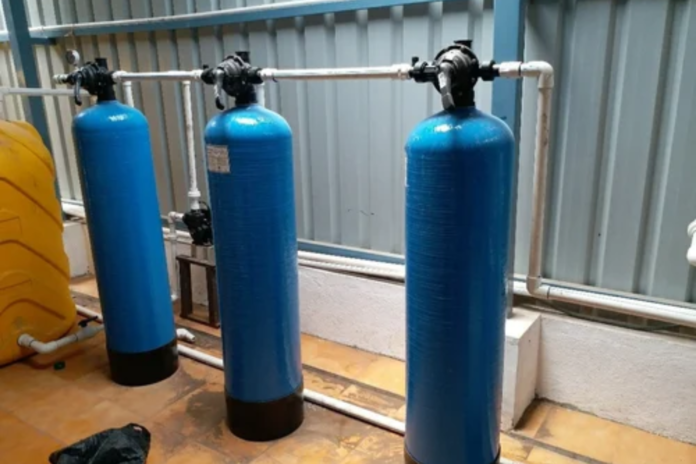
Sometimes, the concern isn’t just hardness. It’s chlorine odor. Sediment. Potential contaminants you can’t see or taste. That’s when homeowners start exploring whole home filtration.
Unlike under-sink systems that focus only on drinking water, whole-home setups treat water at the point it enters the house. Every tap, shower, and appliance benefits.
There’s something appealing about that comprehensive approach. You’re not just filtering what you drink — you’re improving the water you bathe in, wash clothes with, and use to cook. It’s an upgrade that touches daily life in quiet, cumulative ways.
I once spoke to a family who installed a whole-home carbon system primarily to reduce chlorine. They weren’t expecting much beyond better-tasting water. What surprised them was how their skin felt after showers — less dryness, less irritation. It’s funny how small changes ripple outward.
Of course, whole-home systems come with a higher upfront investment. They require space and proper installation. But for households dealing with multiple water concerns, the coverage can feel worth it.
Precision at the Kitchen Sink
For those primarily focused on drinking water quality, there’s another option that often enters the mix: reverse osmosis water filtration.
This method uses a semi-permeable membrane to remove dissolved solids, certain heavy metals, and a range of impurities at a microscopic level. It’s one of the most thorough point-of-use systems available.
The result is water that tastes remarkably clean — almost neutral. Coffee and tea often taste brighter. Ice cubes come out crystal clear. It’s the kind of improvement you notice immediately.
Reverse osmosis systems typically sit under the sink and serve a dedicated faucet. They don’t treat water for the entire house, but they offer targeted precision where it matters most for consumption.
There’s a trade-off, though. These systems generate some wastewater during filtration, and filters must be replaced regularly. Like any technology, they require upkeep. But for families particularly concerned about dissolved contaminants, the peace of mind can outweigh the maintenance.
So… Which One Is Right?
The honest answer? It depends.
If hard water is your primary frustration, start with softening. If chlorine odor and sediment are widespread throughout the house, a whole-home system might make sense. If you’re focused specifically on drinking water purity, reverse osmosis can be a powerful solution.
Some homes even combine systems — a softener to handle minerals, paired with a reverse osmosis unit at the kitchen sink for drinking water. Layered approaches aren’t uncommon, especially in areas with complex water profiles.
The smartest first step is testing. Instead of guessing based on neighbor recommendations or online ads, get your water analyzed. Identify the actual issues. Then match the system to the data.
The Quiet Value of Better Water
We spend thousands on visible home upgrades — countertops, flooring, smart appliances. But water quietly affects every part of daily life. It’s in your morning shower, your child’s water bottle, the pasta you cook for dinner.
Improving it doesn’t make for flashy Instagram posts. No one compliments your filtration system at a dinner party. But you’ll feel the difference. Every day.
Better-tasting coffee. Softer laundry. Appliances that last longer. Fewer water spots on glassware. Small details that accumulate into comfort.
In the end, choosing the right water system isn’t about chasing trends or buying the most expensive option. It’s about understanding your home’s needs and making a thoughtful decision.
Water may be invisible in our routines, but it’s foundational. And when you get it right, the benefits quietly flow through everything else.