

Water is one of those things we barely notice until it misbehaves. A faint chlorine smell in the kitchen sink. Chalky residue on the shower door. Glassware that never quite looks spotless, no matter how carefully you rinse it. None of it feels urgent — but it does get old.
If you’ve ever caught yourself squinting at a cloudy glass and wondering, “Is this normal?” you’re not alone. More homeowners are paying attention to what’s flowing through their taps. Not out of panic, but out of practicality. After all, water touches almost every part of daily life — drinking, cooking, cleaning, bathing.
The question isn’t whether water matters. It’s how much thought we give it.
When Small Annoyances Point to Bigger Patterns
Hard water is often the first sign something isn’t ideal. Soap doesn’t lather properly. Towels feel stiff. Your water heater seems to struggle more than it should.
Hardness comes from dissolved minerals — mainly calcium and magnesium. They’re not dangerous, but they can cause scale buildup in pipes and appliances over time. That buildup reduces efficiency and increases maintenance costs.
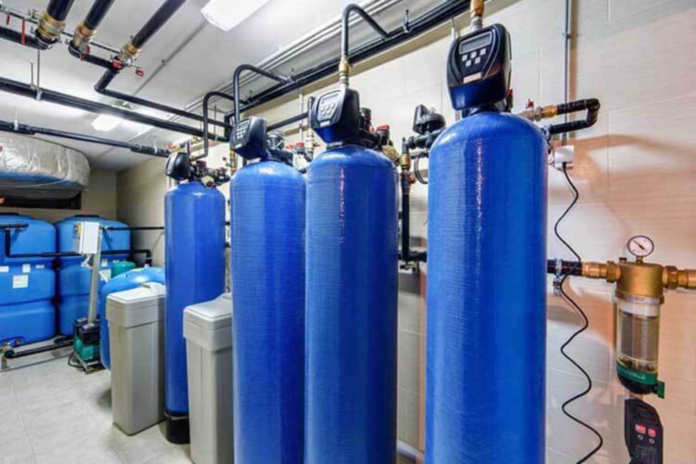
That’s where water softeners come into play. These systems work by exchanging hardness minerals for sodium or potassium, preventing scale from forming. It’s not a dramatic transformation overnight, but within weeks, you may notice cleaner dishes, smoother showers, and less scrubbing around faucets.
The change is subtle but steady — and often surprisingly satisfying.
Beyond Hardness: What’s in Your Water?
Not all water issues are visible. Sometimes it’s about taste or odor. Chlorine, commonly used for municipal disinfection, can leave behind a faint chemical scent. In older homes, aging pipes may introduce trace metals. Rural properties with well water face their own unique variables.
This is where water filtration systems earn their reputation. Unlike softeners, which focus primarily on minerals, filtration systems target specific contaminants and impurities. Carbon filters reduce chlorine taste and odor. Sediment filters trap physical particles. Reverse osmosis units address dissolved solids more comprehensively.
The key is knowing what you’re trying to fix.
A quick water test can provide clarity. Without data, you’re guessing. And guessing often leads to overcompensating — or underestimating the real issue.
Finding the Right Fit for Your Home
Here’s the truth: there’s no universal answer. The best solution depends on your water profile, household size, and personal priorities.
For some families, installing a softener alone solves most concerns. Others combine softening with point-of-use filtration for drinking water. In more complex cases — particularly with well water — homeowners may explore broader water treatment solutions that address multiple issues simultaneously.
It doesn’t have to be complicated. It just has to be informed.
A thoughtful approach begins with testing and ends with choosing a system tailored to your needs, not a one-size-fits-all package.
The Real-Life Benefits You Notice
Water improvements rarely make headlines. No one walks into your house and compliments your filtration setup.
But you notice.
You notice when your coffee tastes cleaner. When your skin feels less dry after a shower. When appliances run smoothly without scale clogging internal components.
Over time, these small upgrades contribute to efficiency. Heating elements free from mineral buildup use less energy. Soap and detergent work more effectively, meaning you use less of them.
It’s not glamorous, but it’s meaningful.
Maintenance: The Often-Ignored Reality
Here’s something many sales pitches gloss over — every system requires upkeep.
Softener salt needs refilling. Filters must be replaced. Ignoring maintenance reduces performance and, in some cases, shortens the system’s lifespan.
The good news? Maintenance isn’t complicated. Most tasks become routine after a few months. Setting reminders helps. Keeping spare filters on hand prevents procrastination.
A well-maintained system quietly supports your home for years.
Is It Worth the Investment?
Cost always enters the conversation. Installing water treatment equipment isn’t free. But consider the long-term picture.
Reduced appliance repairs. Lower energy consumption. Less bottled water. Fewer cleaning products.
Then factor in comfort. That part’s harder to measure but easy to appreciate.
The decision ultimately comes down to what you value. If hard water stains don’t bother you, perhaps you live with them. But if they do — and if you’d prefer water that feels and tastes better — the investment often pays for itself over time.
A Balanced Perspective
It’s important to keep things grounded. Most municipal water systems in developed areas meet safety standards. This isn’t about fear. It’s about refinement.
Water improvement is less about eliminating danger and more about enhancing quality.
Testing first ensures you don’t overcorrect. Maybe you only need a basic carbon filter. Maybe a softener alone solves the majority of your frustrations.
Clarity prevents overspending.
Final Thoughts
Water flows quietly through your home every single day. It affects comfort, cleanliness, and efficiency in ways we rarely acknowledge until something feels off.
Upgrading your water setup isn’t about perfection. It’s about intention — choosing to improve something foundational.
And sometimes, the most satisfying home improvements aren’t the flashy ones. They’re the quiet upgrades that make daily routines just a little easier.
Pour a glass. Take a sip. If it tastes clean and feels right, you’ve probably made the right choice.