

There’s something almost invisible about water in our daily lives. It’s always there—flowing from the tap, filling the kettle, washing dishes, running through laundry cycles. We rarely stop to think about it unless something feels off. Maybe it smells slightly metallic, leaves spots on glassware, or tastes a bit… flat.
And that’s usually when the realization hits: not all water is created equal.
For many households, improving water quality isn’t about luxury—it’s about comfort, health, and the simple pleasure of knowing what flows through your home is safe and reliable.
Why Water Quality Often Goes Unnoticed
Most people assume tap water is fine as long as it looks clear. And in many cases, it is safe to drink. But “safe” doesn’t always mean ideal.
Water can contain minerals, chlorine, sediments, and trace impurities that affect taste, odor, and performance in subtle ways. Hard water, for example, may not pose health risks, but it can damage appliances and leave residue on skin and surfaces.
Because these issues develop gradually, they often go unnoticed until they start affecting daily routines.
The Everyday Impact of Water Conditions
Poor water quality doesn’t just influence drinking habits—it affects many aspects of home life.
Hard water can cause soap to lather less effectively, leaving dishes and clothing feeling less clean. Mineral buildup may shorten the lifespan of water heaters and plumbing fixtures. Chlorine can alter the taste of food and beverages.
Over time, these small inconveniences add up, influencing both comfort and maintenance costs.
Improving water quality helps address these challenges at their source.
Understanding the Role of Filtration Systems
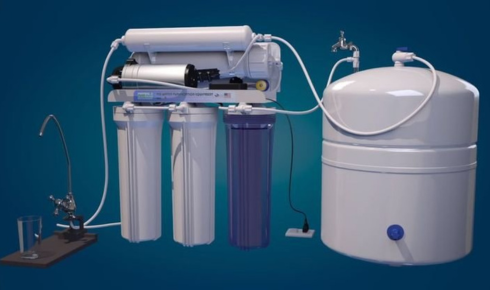
One of the most effective ways to improve household water quality involves installing water filtration solutions designed to remove impurities and enhance performance.
Filtration systems vary widely—from simple faucet attachments to comprehensive whole-house setups that treat water at the entry point.
These systems can reduce sediments, chlorine, and certain contaminants, improving taste and clarity.
By addressing water quality before it reaches taps and appliances, filtration provides a consistent foundation for everyday use.
The Benefits of Addressing Hard Water
In many regions, hard water is a common concern. It contains high concentrations of minerals like calcium and magnesium, which can leave scale deposits inside pipes and appliances.
This is where water softeners become especially valuable.
Softening systems remove excess minerals, preventing buildup that can reduce appliance efficiency and increase maintenance needs.
They also improve soap performance, making cleaning tasks easier and more effective.
The result is smoother skin, cleaner surfaces, and longer-lasting plumbing systems.
How Better Water Supports Health and Comfort
Beyond convenience, improving water quality contributes to overall well-being.
Households that prioritize clean water often notice better hydration habits, improved cooking results, and enhanced personal comfort.
Water that tastes fresh encourages consistent consumption, supporting healthy routines.
Reduced chemical exposure during bathing and cleaning also benefits skin and respiratory health.
These improvements may seem subtle individually, but together they create a meaningful difference in daily life.
The Emotional Value of Reliable Water Quality
Water plays a deeply personal role in home comfort.
From morning coffee rituals to evening showers, its presence shapes everyday experiences.
Knowing that your household water is safe, balanced, and dependable provides a quiet sense of reassurance.
It eliminates uncertainty and allows homeowners to focus on enjoying routines rather than worrying about hidden issues.
That peace of mind is often one of the most valuable outcomes of water quality improvements.
Long-Term Financial Benefits
Investing in water quality systems can also provide financial advantages over time.
Reduced mineral buildup helps appliances operate efficiently and last longer. Plumbing systems require fewer repairs, and energy consumption often decreases due to improved performance.
These savings gradually offset initial installation costs, making water quality improvements a practical investment.
It’s a case where small adjustments yield long-term returns.
Choosing the Right Approach for Your Home
Every household has unique water conditions based on local supply sources and plumbing infrastructure.
Testing water quality is often the first step toward identifying specific needs.
Professional assessments can help determine whether filtration, softening, or combined systems offer the most effective solution.
Tailoring water treatment to individual circumstances ensures optimal results.
A Subtle Upgrade with Lasting Impact
Improving water quality may not be the most visible home upgrade, but its influence touches nearly every aspect of daily life.