

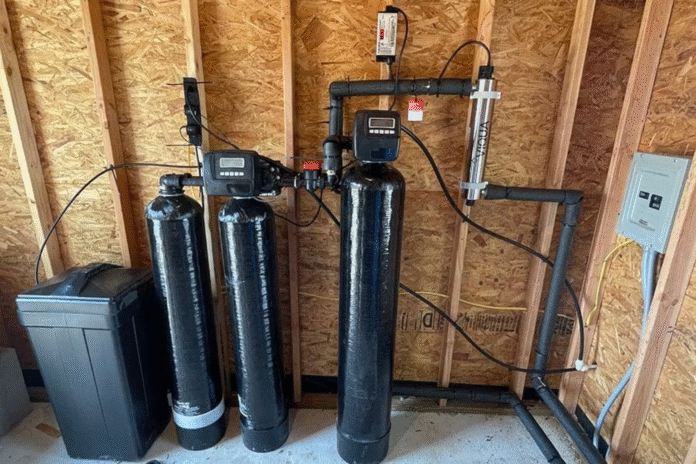
There’s a moment — maybe you’ve had it too — when you step out of the shower, dry off, and your skin still feels… tight. Your hair’s got this straw-like texture, and your dishes look like they’ve been through a dusty windstorm. That, my friend, is hard water doing its not-so-subtle work. And while it might seem harmless on the surface, it’s quietly wreaking havoc on your appliances, plumbing, and even your energy bills.
But here’s the good news: there’s a way to reclaim your water — and your sanity — with the right technology. Let’s dive into the world of modern water softening, where innovation meets daily comfort, and where choosing the right system can literally change the way your home runs.
The “Hard” Truth About Hard Water
You’ve probably heard the term before, but let’s unpack it a bit. Hard water contains elevated levels of minerals like calcium and magnesium. While they’re not toxic, these minerals bond to nearly everything they touch — forming scale buildup in pipes, spotting on glassware, and reducing the efficiency of your water heater. That “squeaky clean” feeling after a shower? It’s not cleanliness. It’s residue. Real clean feels smooth and silky.
Now, multiply that scale effect across every appliance that uses water — your washer, dishwasher, even your coffee maker. The mineral buildup shortens lifespans, drives up repair costs, and eats away at performance. What’s worse, hard water makes soaps and detergents work less effectively, which means you’re using more for worse results.
Enter: Smarter Water Solutions
A traditional water softener works through a process called ion exchange. It essentially swaps those hard minerals for something more manageable — usually sodium or potassium. But today’s systems aren’t just softeners anymore — they’re smart, efficient, and built to integrate seamlessly with your modern lifestyle.
Take the water technologies water softener models, for example. These units are designed with intelligent sensors that learn your household’s water usage patterns and adjust regeneration cycles accordingly. No more wasteful flushing. No more over-salting. Just optimized performance with minimal intervention. It’s water softening on autopilot.
These aren’t your grandfather’s systems. They’re built for today’s eco-conscious, comfort-first world. Quiet operation, sleek design, even mobile app control — yes, you can literally soften your water from your phone now.
Spotlight on a Pioneer: WaterTech Inc
Not all companies in this space are built the same. Some chase trends, others set them. And WaterTech Inc has earned its reputation as one of the latter.
Founded on the belief that better water means a better life, WaterTech’s product line has grown to include everything from high-efficiency softeners to advanced whole-home filtration. They prioritize customer-first design, which means easy installation, maintenance that won’t drive you up a wall, and rock-solid reliability.
But what really sets them apart? It’s their blend of performance and precision. Their systems go beyond basic mineral removal — they fine-tune water quality for everything from skin health to appliance longevity. Whether you’re in a one-bedroom apartment or a five-bath mansion, they’ve got a solution tailored to your needs.
Plus, their customer service? Actually helpful. Rare these days, right?
Everyday Benefits That Actually Make a Difference
Sometimes, marketing buzzwords like “luxury water” or “pure softness” just sound… fluffy. But here’s the thing: when your water is actually softened and conditioned properly, the benefits show up in your real, daily life.
- Showers feel like a spa: No more tight skin or flat hair.
- Laundry’s softer and brighter: Clothes last longer. Towels feel fresh again.
- Appliances last longer: Washing machines, dishwashers, and water heaters aren’t suffocating under calcium crust.
- Bills go down: No extra heating to compensate for scale. No premature appliance replacements.
And let’s not forget — there’s something satisfying about crystal-clear glasses and silverware that actually sparkles. Small thing? Maybe. But it adds up.
Let’s Talk Options: Finding What Works for You
Choosing the right system can feel overwhelming. You’ll hear terms like grain capacity, regeneration cycle, or salt-free alternatives. Here’s where slowing down matters.
The water tech water softener models often strike that perfect balance between performance and simplicity. These units are ideal for medium to large households, combining durable construction with smart features. Some even come with dual-tank designs, so you’re never without soft water — even during regeneration.
Not into salt-based softeners? There are salt-free conditioners that don’t remove minerals but alter them so they don’t stick — a great option for eco-minded folks who want some of the benefits without salt discharge. Keep in mind though, salt-free isn’t technically “softening” — it’s conditioning.
The right choice comes down to your water source, household size, and how hands-on you want to be. And yes, your budget too. The great thing is, with so many competitive options now, you don’t need to spend a fortune to get a high-performing system.
Before You Buy: A Few Real Talk Tips
- Test your water first – Don’t guess. Know your hardness level in grains per gallon (GPG). Some cities are worse than others, and well water? Whole different beast.
- Look at flow rate – Bigger families need more gallons per minute. No one wants a softener that can’t keep up with morning showers.
- Consider maintenance – If you’re not into refilling salt or checking tanks, go for something low-maintenance or app-monitored.
- Ask for installation help – Unless you’re a plumbing whiz, let a pro handle it. It’ll save headaches down the road.
- Read the fine print – Warranties, salt usage, service intervals. It’s the boring stuff that makes a difference later.
Final Thoughts: Water That Works With You, Not Against You
If there’s one home upgrade that pays for itself in comfort, cost savings, and sanity — it’s a high-quality water softener. In a world full of smart devices and connected homes, it just makes sense to include water in that equation.