

There’s something oddly comforting about turning on a faucet and expecting clean water to pour out. We rarely question it. We fill glasses, boil pasta, run showers, and trust that what’s flowing through the pipes is “good enough.”
But then you start noticing things. Soap that won’t lather properly. White residue on faucets. A faint taste that makes you reach for bottled water instead. Maybe your skin feels dry after every shower. Maybe your dishwasher leaves spots on everything.
And suddenly, “good enough” doesn’t feel so good anymore.
Understanding your water isn’t about paranoia — it’s about awareness. Once you know what’s actually coming into your home, you can make decisions that improve daily comfort in ways you didn’t expect.
Hard Water: The Silent Frustration
If you’ve ever battled stubborn soap scum or mineral buildup on showerheads, hard water might be the culprit. Hard water contains elevated levels of calcium and magnesium. It’s not dangerous to drink, but it can be frustrating to live with.
That’s where water softener systems come into play.
Softening systems work by exchanging those hard minerals with sodium or potassium ions. The result? Water that feels smoother on your skin, lathers more easily with soap, and reduces scale buildup in pipes and appliances.
People often notice the difference quickly. Towels feel softer. Hair becomes easier to manage. Cleaning takes less effort.
And while it might sound like a luxury, for many households — especially in regions known for hard water — it’s more of a practical solution than an indulgence.
Beyond Softening: Removing What You Can’t See
Softening addresses mineral content, but it doesn’t remove contaminants like chlorine, sediment, or certain chemicals. That’s a separate conversation.
This is where broader water filtration solutions step in.
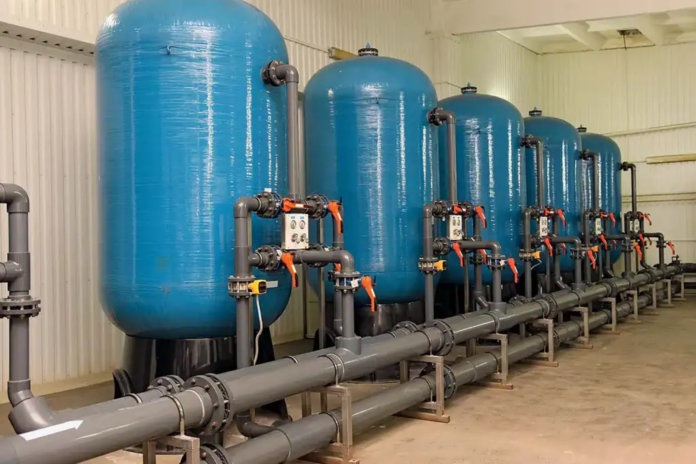
Whole-house filtration systems treat water at the point it enters your home. They can reduce chlorine taste and odor, capture sediment, and in some cases remove certain heavy metals.
For families concerned about what they’re bathing in or cooking with, filtration offers peace of mind.
It’s not just about drinking water — it’s about every faucet, every shower, every load of laundry.
Choosing the right filtration setup depends heavily on your local water quality. A professional water test can reveal what’s present and guide your decision.
Guesswork isn’t ideal when it comes to something you consume daily.
When Purity Matters Most
For drinking water specifically, many homeowners turn to reverse osmosis systems.
These systems push water through a semi-permeable membrane that filters out a wide range of dissolved solids, including certain contaminants that standard filters may miss.
The result is highly purified water, often installed under the kitchen sink with a dedicated faucet.
Some people choose reverse osmosis because they’re sensitive to taste. Others prefer the added layer of filtration for cooking, baby formula preparation, or simply peace of mind.
It’s worth noting that reverse osmosis systems require maintenance — filters need replacing periodically — but for many households, the clarity and taste make it worthwhile.
Choosing What’s Right for Your Home
Not every house needs every system.
If hard water is your primary issue, softening may be enough. If chlorine taste bothers you, filtration could solve it. If you want maximum purity for drinking water, reverse osmosis might be the answer.
In some cases, homeowners combine systems — softening for the entire house and reverse osmosis for drinking water.
The key is understanding your priorities.
Start with a water test. Know what you’re dealing with. Then align solutions with your concerns and budget.
The Long-Term Benefits
Beyond comfort, improving water quality can protect appliances and plumbing.
Mineral buildup from hard water reduces the lifespan of water heaters, dishwashers, and washing machines. Filtration systems can reduce sediment accumulation in pipes.
In the long run, investing in better water treatment can reduce maintenance costs and extend appliance life.
That’s not always the reason people start looking into water systems, but it’s often the reason they’re glad they did.
A Subtle Shift in Daily Life
The difference cleaner water makes is subtle but consistent.
Skin feels less dry. Coffee tastes smoother. Glassware comes out of the dishwasher clearer. Laundry looks brighter.
It’s not dramatic. It’s incremental.
But those small improvements add up.
And because water touches nearly every part of daily life, improving it can quietly elevate your overall comfort.
Final Thoughts: Awareness Leads to Better Choices
We tend to take water for granted until something feels off.
But paying attention — noticing residue, taste, dryness — is often the first step toward improvement.
Whether you choose softening, filtration, reverse osmosis, or a combination of systems, the goal isn’t perfection. It’s better living.
Cleaner water doesn’t just fill a glass.
It supports your home, your appliances, and your everyday routines in ways you may not even realize — until you experience the difference.