Choosing the Right Water Treatment System for Your Home
Water is part of nearly every household routine, from making the first cup of coffee in the morning to washing dishes after dinner. Most days, we turn on…
Water is part of nearly every household routine, from making the first cup of coffee in the morning to washing dishes after dinner. Most days, we turn on a tap and expect everything to work as it should. But when water leaves white marks on fixtures, tastes unpleasant, or causes stubborn buildup around appliances, it becomes clear how much its quality matters.
The tricky part is that not all water problems have the same cause. Mineral content, sediment, certain dissolved substances, and plumbing conditions can all affect the water reaching a home. Choosing a treatment system without understanding the problem may lead to unnecessary expense and disappointing results. A little investigation at the beginning can make the whole process much simpler.
Understand What Your Water Actually Needs
Before shopping for equipment, pay attention to the signs around your home. White scale on showerheads may indicate hard water, while reddish-brown stains can sometimes point to iron. A persistent odor, cloudy appearance, or unusual taste may have another cause entirely. These clues are useful, but they cannot reliably identify every substance that might be present.
- A Practical Guide to Better Water at Home: Filtration, Drinking Water, and Softening
- Why Reliable Appliance Repair and Installation Really Matters for Your Home
- The Secret to a More Comfortable Home Might Be Flowing Through Your Pipes
- Cleaner Water Starts With the Choices You Make at Home
- Better Water at Home Starts with What You Don’t See
Start by finding out where your water comes from. Homes supplied by a municipal system can often use the local water-quality report as a starting point. Private wells require a different approach because water conditions can vary considerably from one property to another and may change over time.
A suitable water test helps identify which characteristics need attention. The type of test matters: a simple hardness check does not establish whether water is free from bacteria, lead, nitrates, or other contaminants. If there are health-related concerns, use an appropriate testing method, such as analysis through a certified laboratory.
Once you understand the results, you can compare treatment options with greater confidence. The goal isn’t to remove everything from the water indiscriminately. It’s to address specific concerns while maintaining a system that is practical to operate and maintain.
Consider Filtration Throughout the Home
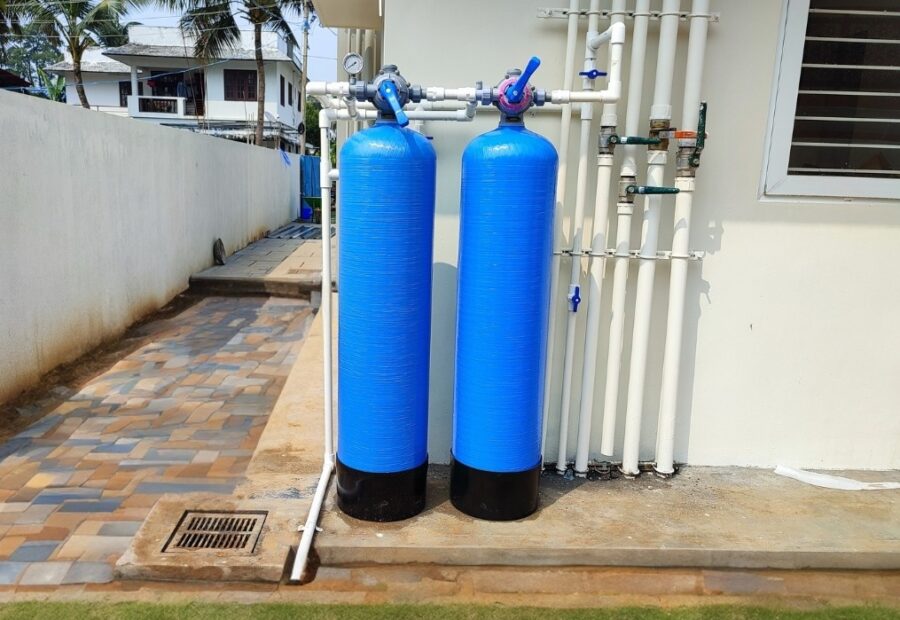
Some water concerns affect nearly every tap, shower, and appliance. In these situations, whole-home filtration may be worth considering. A point-of-entry system is installed where the water enters the property, allowing treated water to reach multiple fixtures.
The type of filter needed depends on the water analysis and the manufacturer’s verified performance claims. Sediment filters can capture particles such as sand or rust, while activated carbon may reduce certain tastes, odors, and selected compounds. Other treatment technologies target different substances, so it’s important not to assume that every whole-house system provides the same results.
Think about your household’s water use before choosing a unit. A system must be able to handle the required flow rate without creating an inconvenient drop in pressure. The number of bathrooms, simultaneous showers, laundry loads, and other uses can influence the size of the equipment.
Installation location matters, too. There should be enough room to access filter housings and replace cartridges without difficulty. Some systems require drainage, electricity, or additional plumbing connections. Planning these details in advance makes routine servicing easier.
Whole-home filtration can be useful, but it isn’t automatically the right choice for every property. If the concern is limited to drinking water at one kitchen faucet, a smaller point-of-use system may be sufficient. Matching the equipment to the actual need can help control both initial and ongoing costs.
Improve the Water You Drink and Cook With
Many homeowners want to focus specifically on the water used for drinking, preparing meals, and filling a reusable bottle. Depending on the test results, reverse osmosis drinking water may be one option to explore.
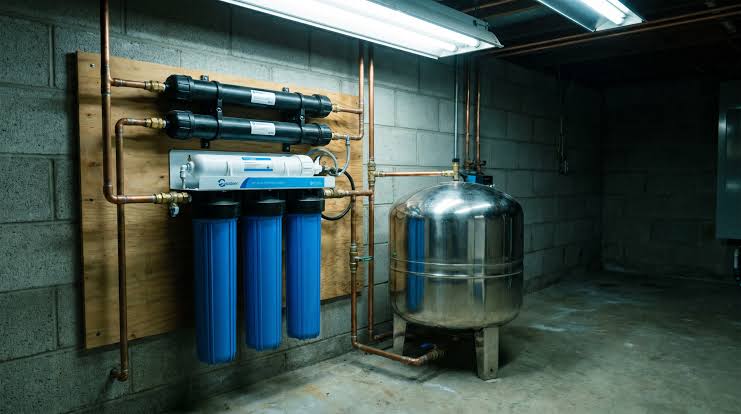
Reverse osmosis systems push water through a semipermeable membrane to reduce many dissolved substances. Their effectiveness varies by system and contaminant, so review the product’s certification and performance documentation before making a decision. Some units also include prefilters and a final carbon filter to support overall performance and improve taste.
These systems are often installed beneath the kitchen sink, although other configurations are available. Before buying one, check the available cabinet space, the location of the drain connection, and whether the system needs a storage tank. Reverse osmosis also produces a stream of wastewater, and filters and membranes require replacement according to the manufacturer’s schedule.
It’s worth asking how much treated water the system can provide during normal household use. A unit that produces water slowly may still work well for a small family, but it might not suit a household that regularly fills large bottles or uses considerable water for cooking.
Remember that no single system removes every possible contaminant. If you’re concerned about a particular substance, verify that the selected model has been tested for reducing it under appropriate conditions. Professional guidance can help clarify the options when test results are complicated.
Deal With Hard Water at Its Source
Hard water is a common cause of scale buildup around faucets, shower screens, water heaters, and other plumbing fixtures. It contains higher concentrations of dissolved calcium and magnesium, which can leave deposits as water evaporates. Some households also notice that soap produces less lather or that laundry feels stiff after washing.
In these situations, water softening systems may offer a practical solution. Conventional ion-exchange softeners reduce hardness by exchanging calcium and magnesium ions for other ions, commonly sodium. This can help limit scale formation and improve the way soap behaves during cleaning.
However, softening is not the same as removing every contaminant. A softener is designed primarily to address hardness, so it should not be treated as a substitute for filtration or disinfection when those are needed.
Before installation, consider the household’s water use and maintenance preferences. Traditional softeners generally need periodic regeneration and salt replenishment. Some homes may have specific concerns about sodium in treated water, so discuss those needs with a qualified water-treatment professional. Depending on local conditions and requirements, alternative approaches may also be available, though they may work differently from conventional softening.
Proper sizing is important. An undersized unit may regenerate too frequently, while an unnecessarily large system can add cost without providing a meaningful benefit. A water test and an estimate of household demand help guide the choice.
Don’t Overlook Maintenance
Even a well-chosen treatment system needs regular attention. Filters become loaded with particles, carbon media has a service life, and reverse osmosis membranes can lose performance over time. Softeners need the appropriate level of salt and periodic checks to confirm that they are operating correctly.
Follow the manufacturer’s replacement schedule, but also watch for changes in water pressure, taste, odor, or the return of scale and staining. These signs don’t always mean the equipment has failed, but they may indicate that servicing or further testing is needed.
Keep records of installation dates, filter changes, service visits, and water-test results. This simple habit makes it easier to spot changes and budget for maintenance. It also gives technicians useful information if a problem develops.
Make a Choice That Fits Your Household
A water-treatment system should solve a real problem, fit the home, and remain manageable over the years. That means looking beyond a product’s advertised features and considering installation costs, replacement parts, water use, and ongoing maintenance.
Start with reliable testing, ask clear questions, and compare systems designed for your particular water conditions. Be cautious of claims that one device can solve every concern or that a single basic test proves water is unsafe.
With the right information, choosing water treatment becomes less of a guessing game. The most suitable system isn’t necessarily the largest or most expensive one. It’s the one that addresses your household’s needs, performs as promised, and helps you feel confident about the water you use every day.