
A Practical Guide to Better Water at Home: Filtration, Drinking Water, and Softening
There’s something reassuring about turning on the kitchen tap and filling a glass without giving it a second thought. Water is part of nearly every household routine, from…
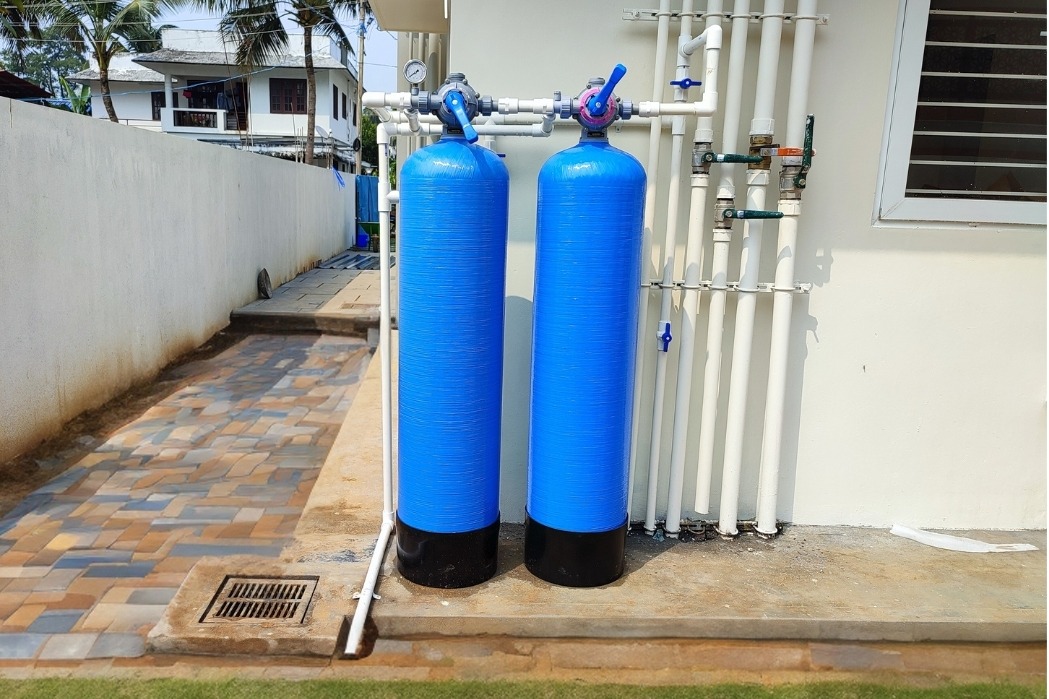
There’s something reassuring about turning on the kitchen tap and filling a glass without giving it a second thought. Water is part of nearly every household routine, from making morning tea to washing clothes after a busy week. Yet when the water tastes unusual, leaves stubborn marks on bathroom fixtures, or makes cleaning feel like a never-ending job, it’s hard not to wonder whether there’s a better way.
The good news is that improving household water doesn’t always require an expensive overhaul. The right solution depends on what’s actually in your water, how your family uses it, and which problems you want to solve. Once you understand the differences between filtration, drinking water purification, and softening, choosing suitable equipment becomes much less confusing.
Understanding Your Home’s Water Quality
Water quality varies from one location to another. Municipal suppliers generally treat water to meet applicable safety requirements, but its mineral content and taste can still differ considerably. Private wells bring additional considerations because groundwater may be affected by local geology, agricultural activity, and changes in environmental conditions.
- Why Reliable Appliance Repair and Installation Really Matters for Your Home
- The Secret to a More Comfortable Home Might Be Flowing Through Your Pipes
- Cleaner Water Starts With the Choices You Make at Home
- Better Water at Home Starts with What You Don’t See
- Is Professional Cleaning Noticeable? Here Is What I Experienced With Happy Clean
Some water quality problems are easy to spot. White deposits around faucets often suggest hardness minerals, while a noticeable chlorine smell may affect the taste of drinking water. Rust-colored stains can indicate iron or corrosion, although testing is needed to identify the underlying cause confidently.
Other contaminants are less obvious. Certain dissolved chemicals, metals, and microorganisms may be present without changing the water’s appearance or smell. That’s why clear water shouldn’t automatically be considered safe.
Start by identifying your main concern. If you’re dealing with stubborn mineral buildup, hardness testing may be helpful. If you suspect contamination, consider a laboratory test designed to measure the specific substances involved. This simple step can prevent you from purchasing equipment that doesn’t address your actual needs.
Whole-House Filtration for Everyday Water Use
Many homeowners focus on drinking water, understandably, but the water used for showering, laundry, and cleaning also affects daily comfort and household maintenance.
Whole home water filtration treats water at the point where the main supply enters the house. Depending on the equipment installed, it can reduce sediment, chlorine, and certain other substances before water reaches individual taps and appliances.
A sediment filter, for example, can capture suspended particles such as sand and rust. Activated carbon may reduce chlorine and selected compounds responsible for unpleasant tastes or odors. More specialized filtration media can target particular contaminants when supported by appropriate performance testing.
Imagine coming home after a long day and noticing that the shower has developed a strong chlorine smell. If testing confirms that chlorine taste and odor are the main concerns, a suitably rated carbon filter may help improve the experience. In a home with sediment problems, a correctly selected prefilter may help protect other treatment equipment from clogging.
However, whole-house filtration isn’t a universal solution. Different filters remove different substances, and a standard sediment or carbon cartridge won’t necessarily address every health-related contaminant. Check the manufacturer’s specifications and independent certifications before making a decision.
Sizing matters, too. A filter that’s too small may restrict water flow when several showers or faucets operate at once. Consider your household’s peak demand, available installation space, and the cost of replacement cartridges. A system that works well without creating extra maintenance headaches is usually the better investment.
Choosing the Right Drinking Water System
Drinking water deserves special attention because improving its taste isn’t the same as making contaminated water safe. The best approach depends on your existing supply and whether testing has identified a particular concern.
Modern drinking water systems range from simple pitcher filters to under-sink carbon units and reverse osmosis equipment. Each offers different capabilities, costs, and maintenance requirements.
Activated carbon filters are often useful for reducing chlorine and certain compounds that influence taste and odor. Reverse osmosis systems use a semipermeable membrane to reduce many dissolved substances, including selected salts and metals, depending on the system’s design and certification.
For a household that simply dislikes the taste of municipal water, a certified carbon filter may be sufficient. If laboratory results identify a contaminant that requires more specialized treatment, a product tested specifically for that substance may be necessary.
Look beyond broad marketing claims. Terms such as “advanced purification” don’t tell you exactly which contaminants a product reduces. Check the relevant NSF/ANSI certification, the specific reduction claims, and the recommended filter replacement schedule.
Reverse osmosis also has practical considerations. Some systems produce wastewater, and their membranes and prefilters require periodic replacement. Certain models include remineralization stages to adjust the taste of the treated water.
Before purchasing, consider how much drinking water your household uses, whether you prefer a countertop or under-sink installation, and how comfortable you are with routine maintenance. The most suitable system is one that fits your needs and is easy to look after.
When Water Softening Is the Better Answer
Hard water creates a different set of problems. High concentrations of calcium and magnesium can leave chalky deposits on faucets, reduce soap lathering, and contribute to scale inside water heaters and appliances.
If these symptoms sound familiar, water softeners may be worth considering. Conventional salt-based models use ion exchange to remove hardness minerals, replacing calcium and magnesium ions with sodium or potassium ions.
The results can make everyday tasks easier. Soap may lather more readily, laundry may feel less stiff, and mineral deposits on shower screens and fixtures can become less troublesome. Reducing scale can also help protect equipment that regularly heats water, although the actual benefits depend on water conditions and appliance design.
Softening doesn’t remove every contaminant, though. A conventional softener isn’t designed to eliminate bacteria, viruses, or all dissolved chemicals. If your drinking water also has a taste or contamination issue, a separate filtration system may be appropriate.
Salt-free conditioners are another option. Some help reduce the tendency of minerals to form hard scale, but they generally don’t remove hardness minerals in the same way as traditional ion-exchange softeners. Understanding that distinction is important before spending money.
Have your water hardness measured and compare the result with the equipment’s rated capacity. Proper sizing can help prevent unnecessary regeneration, excessive salt use, or disappointing performance.
Can One System Handle Everything?
It’s tempting to search for a single device that promises cleaner, softer, better-tasting water throughout the home. Unfortunately, water treatment rarely works that simply.
A family might need a softener for hard water, a whole-house filter for sediment or chlorine, and a separate drinking-water unit for a specific dissolved contaminant. Another household may need only one of these options.
The right combination should be based on test results rather than guesswork. Installing several systems without a clear reason can increase upfront costs, consume valuable space, and create more maintenance work than necessary.
Professional advice can be useful when water testing identifies multiple concerns or when equipment must be integrated into existing plumbing. Ask the installer to explain what each component does, which problems it addresses, and what it cannot remove.
Maintenance Makes the Difference
Even a well-designed system needs regular attention. Filters eventually become saturated or clogged, softeners require appropriate regeneration and salt replenishment, and reverse osmosis membranes lose effectiveness over time.
Follow the manufacturer’s maintenance instructions and keep a record of filter changes and service visits. If water quality changes suddenly, investigate the cause instead of assuming that replacing a cartridge will solve everything.
Private well owners should also follow local recommendations for periodic testing, particularly after flooding, repairs, or other events that could affect groundwater quality.
Making a Confident Choice for Your Home
Better water starts with understanding what you’re trying to improve. Filtration can reduce selected particles and contaminants, drinking water purification can address particular concerns at the tap, and softening helps manage hardness minerals.
Begin with reliable testing, compare products using independently verified performance claims, and consider both installation and long-term maintenance costs. You don’t necessarily need the most expensive equipment available; you need a system that addresses your water quality concerns without adding unnecessary complexity.
When the solution matches the problem, the benefits can be surprisingly practical: cleaner fixtures, more pleasant-tasting drinking water, less scale buildup, and fewer avoidable maintenance chores. It’s a small improvement to the home that can make a difference every single day.