Keeping Your Water Clean and Reliable from the Well to the Tap
There is something reassuring about turning on a tap and knowing the water is ready for a cup of tea, a quick shower, or dinner preparation. But for…
There is something reassuring about turning on a tap and knowing the water is ready for a cup of tea, a quick shower, or dinner preparation. But for homeowners who rely on a private well, rainwater collection system, or storage tank, that confidence often comes from a little more effort behind the scenes. Water can change as it moves from its source into the home, and the right care makes a real difference.
Unusual smells, cloudy water, mineral stains, and sediment are all reasons to investigate what’s happening. They don’t necessarily mean the water is unsafe, but they shouldn’t be ignored either. The key is to understand the source, test when necessary, and choose a treatment approach that suits the property rather than relying on guesswork.
Understanding the Water That Enters Your Home
Every water source has its own characteristics. Municipal supplies are treated and monitored, yet minerals and disinfectants may still influence taste, odor, and the way water behaves around fixtures. Private wells draw from groundwater, which can contain naturally occurring minerals, sediment, or contaminants influenced by local conditions.
- Choosing the Right Water Treatment System for Your Home
- A Practical Guide to Better Water at Home: Filtration, Drinking Water, and Softening
- Why Reliable Appliance Repair and Installation Really Matters for Your Home
- The Secret to a More Comfortable Home Might Be Flowing Through Your Pipes
- Cleaner Water Starts With the Choices You Make at Home
Rainwater collection systems and storage tanks introduce additional considerations. Leaves, dust, insects, roofing materials, and poorly maintained collection equipment can affect stored water. Even a covered tank can develop problems if the inlet, outlet, or surrounding area isn’t kept in good condition.
A simple observation can be useful: does the water look different after heavy rain, or has its taste changed gradually over several months? Has sediment appeared after plumbing work? These clues can help identify when testing or inspection is needed, although they can’t establish whether water is safe to drink.
Start by identifying the source and documenting the symptoms. If you use a private well, arrange testing through a qualified laboratory and follow local public health guidance. Testing should cover the contaminants relevant to your area and water source, not just the characteristics that are easy to see.
Choosing Whole-Home Filtration for Everyday Needs
When a water concern affects every faucet, treating only the kitchen tap may not be enough. A shower, washing machine, water heater, and bathroom fixtures all use the same incoming supply, so a problem that begins at the source can follow the water throughout the property.
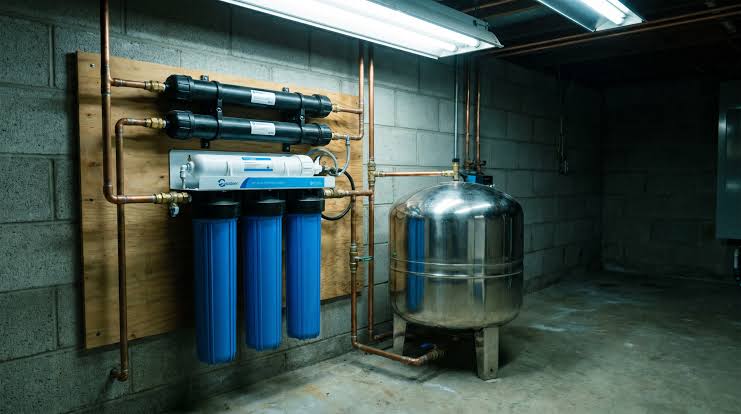
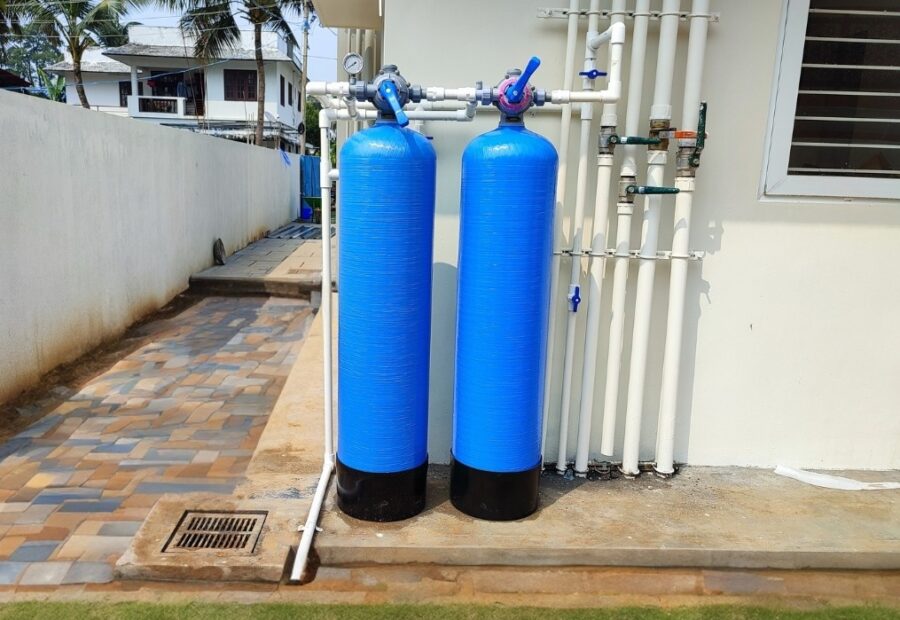
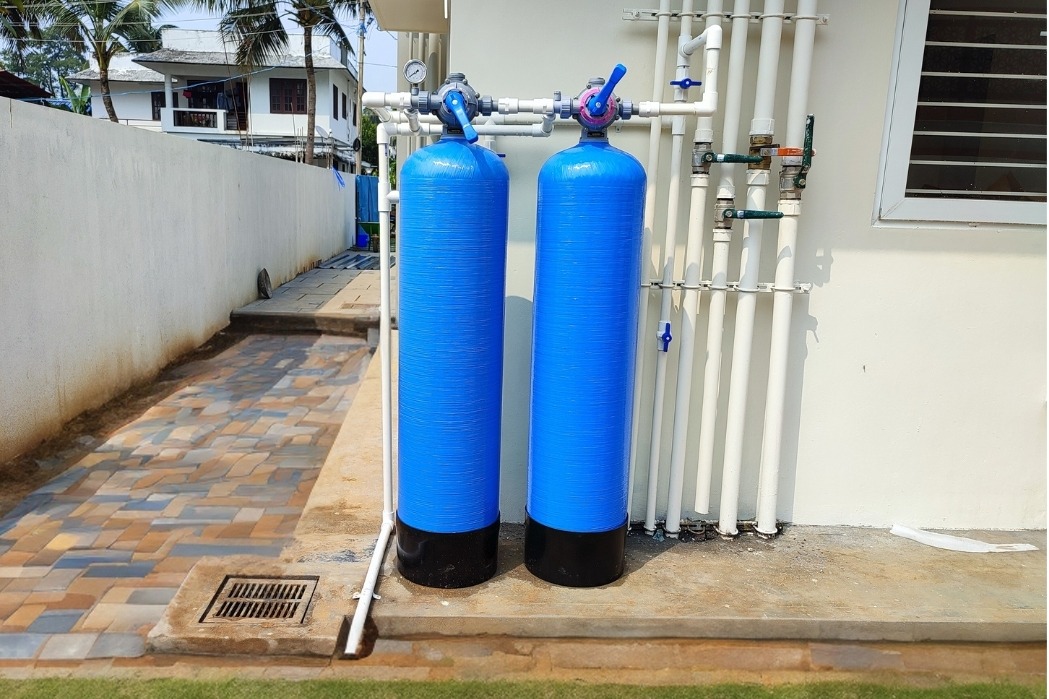
Whole-home filtration treats water as it enters the house, helping address selected water quality concerns before the water reaches individual outlets. Depending on the test results, a system may use sediment filters, activated carbon, or specialized media designed for specific applications.
For example, sediment filtration can capture suspended particles that might otherwise reach fixtures and appliances. Carbon filtration can reduce chlorine taste and odor when the equipment is designed for that purpose. Other media may help manage certain forms of iron or manganese, but the correct approach depends on their concentration and chemical form.
It’s important to be realistic about what a whole-house filter can accomplish. A sediment filter doesn’t automatically remove dissolved contaminants, and a carbon filter shouldn’t be assumed to disinfect water. If testing identifies bacteria, nitrates, arsenic, or another health-related concern, the treatment system must be specifically suitable for that contaminant.
Correct sizing matters as well. A system that can’t handle a home’s peak water demand may reduce pressure when several taps are running. Ask the installer about flow rate, filter capacity, maintenance schedules, and the evidence supporting the equipment’s performance claims.
What Private Well Water May Need
Well water can be an excellent household supply, but its quality depends on the groundwater and the condition of the well itself. Unlike municipal systems, private wells generally aren’t managed by a water utility that routinely treats and monitors the supply for each household.
Well water treatment begins with testing rather than selecting a filter based on appearance alone. Depending on the location, testing may include total coliform bacteria and E. coli, nitrates, pH, hardness, iron, manganese, and other contaminants relevant to local geology or land use.
Different findings call for different responses. Elevated hardness may justify a water softener. Iron staining may require an oxidation and filtration process designed for the water’s chemistry. Sediment may be managed with an appropriately sized filter, while certain microbial risks require validated disinfection methods.
The well itself deserves attention, too. A damaged cap, poor drainage around the wellhead, or nearby contamination sources can create problems that a household filter alone may not resolve. Regular inspection helps identify these risks before they become more serious.
If a test indicates a possible health hazard, follow guidance from the relevant health authority or a qualified water professional. Use an alternative safe drinking-water source when advised, and don’t assume that boiling or a standard filter will address every type of contamination.
Why Cistern and Storage Tank Care Matters
Water stored for later use needs protection from the moment it enters the collection system. Dust, leaves, insects, animal waste, and other debris can find their way into tanks if covers, screens, or seals are damaged. Over time, sediment may accumulate at the bottom, particularly when incoming water carries particles.
Regular cistern & tank services can help maintain storage equipment through inspection, appropriate cleaning, and checks of the collection and delivery components. The exact service needed depends on the tank’s construction, the source of the water, and how the stored water will be used.
A sensible maintenance routine includes checking lids and access points, examining inlet screens, looking for leaks, and keeping the surrounding area clean. Tanks should be inspected for cracks, corrosion, or damaged fittings that could allow contamination to enter.
Cleaning frequency should reflect the water source, tank condition, and local guidance rather than an arbitrary schedule. If a tank supplies drinking water, any cleaning and disinfection procedure must use suitable methods and materials, followed by any testing recommended for the system.
Remember that cleaning a tank is not the same as treating the water for every possible contaminant. If the source water has a chemical or microbial problem, that issue needs its own solution.
Combining Treatment with Good Maintenance
Water treatment equipment works best when the entire system is considered. A sediment filter may protect downstream equipment, while another treatment stage addresses a different concern. The order of these stages, the available water pressure, and the expected flow rate can all affect performance.
Maintenance is equally important. Filters eventually reach their capacity, media may need replacement, and mechanical components can wear. A system that once worked well may become less effective if service is neglected.
Keep a simple record of installation dates, filter changes, water tests, and tank inspections. If the water develops a new smell, changes color, or begins leaving unexpected deposits, investigate rather than assuming the treatment equipment is working normally.
It’s also worth reviewing the system after major changes, such as plumbing renovations, well repairs, or changes in the source of stored water. These events can alter water conditions and may justify fresh testing.
Make Water Care Part of Homeownership
Clean, dependable water is not just about choosing the right filter. It involves understanding where the water comes from, checking its quality, protecting storage equipment, and keeping treatment systems in good working order.
Whether your property depends on a well, a storage tank, or a municipal connection, begin with reliable information. Test the water when appropriate, match equipment to the results, and make regular inspection part of your household routine.
A thoughtful approach can help prevent avoidable problems and make everyday water use more reassuring. You don’t need the most complicated setup available. You need a system that fits your water source, addresses the issues that matter, and receives the care required to keep performing over time.