Home Blog Page 5

Flipping the Switch: Finding the Right Electrician in Fort Walton Beach Without Losing Your Sanity

0

It starts with a flicker. Then a pop. Maybe your kitchen light blinks out, or a weird humming noise comes from the breaker panel. You think, “Eh, maybe it’ll fix itself.”

Spoiler alert: it won’t.

And now you’re Googling, maybe half-panic-scrolling through contractor listings, trying to find someone who won’t ghost you, overcharge you, or show up three hours late only to say, “Yep, you’ve got a problem.”

Welcome to the Florida Panhandle’s version of roulette: hiring the right electrician.

Let’s talk about how to find someone you can actually trust—especially here in the quirky, sun-soaked chaos that is Fort Walton Beach.


Fort Walton Isn’t Just a Beach Town — It’s an Electrical Maze

Look, we all love this place. It’s got charm, salt air, and just enough tourist energy to keep things interesting. But Fort Walton Beach isn’t exactly cookie-cutter. You’ve got vintage beach cottages sitting right next to newly built condos. Military housing, old-school neighborhoods, funky commercial strips—it’s a patchwork of building eras and wiring nightmares.

And that’s what makes choosing the right electrician fort walton beach offers so important. You don’t want someone who only knows cookie-cutter, big-box solutions. You want someone who’s seen what 1970s breaker boxes look like next to a modern smart panel—and doesn’t flinch.


More Than Just Wires: You Need A Vibe Check

Hiring an electrician isn’t just about who’s licensed and bonded (though yes, please, always check that). It’s about who actually listens to what’s going wrong.

There’s an emotional component to home repair, weird as that sounds. If you’ve ever had to sit in the dark with your fridge full of thawing groceries, waiting for someone to show up “sometime between 8 a.m. and 6 p.m.,” you know exactly what I mean.

The best electricians fort walton beach has aren’t just technically skilled—they’re the ones who treat your problem like their problem. Who show up on time. Who explain what’s going on without making you feel dumb. Who give you options instead of ultimatums.

And let’s be real, bonus points if they’re kind to your dog.


The Red Flags (a.k.a. When to Run, Not Walk)

So you call someone and they answer like it’s a personal phone call at Waffle House? Or worse—they don’t answer at all?

That’s already strike one.

No written estimate? That’s strike two. No references, no website, and only a Facebook page with two blurry photos of an outlet? You get where this is going.

A fort walton beach electrician worth hiring is going to be transparent. They’ll walk you through the quote, not just hand you a number scribbled on a napkin. They’ll be insured. They’ll tell you what to expect (and what not to expect). They might even crack a joke to break the tension.

But they’ll never pressure you.

If someone says, “We have to rewire everything today or your house might catch fire,” and you’re not even sure they’ve looked in the attic yet—that’s not expertise, that’s fear tactics.


What Services Should You Expect?

Electricians in the area wear a lot of hats. Sure, they handle outlets and panels, but also:

  • EV charger installations (because yes, more Teslas are coming)
  • Lighting upgrades and landscape lighting (hello, backyard vibes)
  • Smart home wiring
  • Generator hookups (especially helpful after hurricane season flexes its muscles)
  • Commercial installs for local shops and rental properties
  • Surge protection and safety inspections (pro tip: if your house still has a fuse box, book an inspection yesterday)

Basically, whether you’re upgrading your kitchen or just tired of your breaker tripping every time the toaster and microwave dare to run at the same time—help is out there.


Locals Know Best

Word of mouth still reigns supreme. Ask your neighbors. Ask the guy at the hardware store. Even the HVAC tech who came last month might have a go-to electrician they swear by.

Fort Walton Beach has a strong local business network, and many of the top-rated electricians aren’t running national ads—they’re just doing good work and letting that work speak for itself.

If someone tells you they’ve used the same guy three times and “he’s a wizard with wiring,” that’s your cue to jot down the name.


A Little Empathy Goes a Long Way

I remember when my own breaker kept tripping every time I used the blender. It wasn’t even a fancy Vitamix—just your average kitchen helper. I called three electricians. One never called back. One quoted me something that sounded more like a new car loan. And the third?

The third asked me to walk him through what was happening, over the phone. Spent ten minutes patiently asking questions. Showed up the next day, found the issue in 15 minutes, and charged me a fair rate.

That’s what good service looks like.

And that’s what you want when you’re inviting someone into your home, into your personal space, to fix something you don’t totally understand.


What About Cost?

Expect transparency. A good electrician will break it down:

  • Service call fee (often $75-$150)
  • Hourly rate or flat rate for specific jobs
  • Equipment/material costs
  • Permits (if needed)

Don’t fall for “ballpark” pricing with no real details. That’s how small jobs turn into four-digit surprises. If someone avoids giving a written estimate, trust your gut—it’s probably not the right fit.


Final Spark (Pun Absolutely Intended)

Whether you’ve just bought a beachside fixer-upper or you’re upgrading that classic ranch home from the ‘80s, electrical work isn’t something to gamble on. One bad connection can be more than just an inconvenience—it can be dangerous.
Clearer Water, Softer Life: Why More Homeowners Are Turning to Aqua Systems in Lafayette

0

There’s something oddly personal about water.

We drink it, cook with it, bathe in it, run it through our homes every single day. Yet most of us don’t really think about it — until we have to. Until your morning shower leaves your skin dry and itchy. Until you notice the white crust forming around your faucets. Or worse, until your appliances start acting up because of the constant wear-and-tear from hard water.

That’s where this story begins — in homes across America, but especially right here in Lafayette, where water quality isn’t always as clean and soft as it should be.

The Not-So-Soft Truth About Hard Water

If you’ve ever dealt with hard water, you know the drill. Dull laundry. Spotty dishes. A weird taste in your coffee that you can’t quite put your finger on. Hard water is high in minerals like calcium and magnesium, and while it’s not bad for your health, it’s definitely not great for your pipes, appliances, or comfort.

The mineral buildup caused by hard water can shorten the life of your water heater, clog your plumbing, and turn your skin and hair routine into a frustrating science experiment.

And once you notice it, it’s hard to un-notice.


Why Water Softening Is More Than a Luxury

So here’s the thing — installing a water softener isn’t just about luxury. It’s about preservation. Of your plumbing. Of your time. Of your peace of mind.

Enter: aqua system water softener.

These systems don’t just filter water — they transform it. Softening systems remove excess minerals through ion exchange, leaving you with water that feels better, tastes cleaner, and treats your home a little more kindly.

Trust me, once you’ve lived with soft water, going back is like drinking stale coffee after sipping a fresh-brewed cup. You can feel the difference — literally.


Real-Life Benefits: It’s Not Just a Sales Pitch

Let’s cut to the real-life perks of switching to a soft water system:

  • No more crusty faucets or cloudy glassware.
  • Skin that doesn’t feel like sandpaper in winter.
  • Brighter, cleaner clothes with less detergent.
  • Longer-lasting appliances (yes, your dishwasher will thank you).
  • And showers that just feel… better.

This isn’t sales jargon. These are small, everyday wins that add up over time. People don’t just install these systems for fun — they do it because hard water is annoying, and they’re tired of dealing with it.


Lafayette Knows the Struggle

If you’re reading this from Lafayette, you probably already know what I’m talking about. The water here tends to lean toward the harder side. And when it comes to finding reliable, local solutions, the good news is that you don’t have to look far.

Aqua Systems Lafayette has been quietly solving this problem for families all over the area. They’re not some distant national chain with call centers three time zones away — they’re rooted in the community. They understand the local water supply, the quirks of Lafayette plumbing, and the concerns of real homeowners.

And that makes a big difference when it comes to installation, service, and trust.


Choosing the Right Partner (Because Not All Systems Are Created Equal)

Let’s be honest — typing “water softener” into Google opens a firehose of options. Big-box brands, online-only kits, overpriced installation packages that feel more confusing than helpful.

But here’s the secret most people don’t know: when you search aqua systems near me, you’re not just looking for equipment — you’re looking for guidance. A professional who can walk you through your needs, your water report, your budget. Someone who won’t sell you a $3,000 system you don’t need just to hit a sales quota.

Aqua Systems is different because their entire model is built around educating you, not overselling you. Their reps take time to explain what’s going on with your water, what you actually need (and don’t), and how to get the best long-term value for your home.


The Long-Term Value No One Talks About

Sure, installing a water softener isn’t free. But let’s talk about cost in a broader sense. Think about:

  • Fewer appliance repairs and replacements
  • Reduced soap, detergent, and cleaning product usage
  • Lower water heating bills (because soft water heats more efficiently)
  • And possibly the most underrated one — less time spent scrubbing mineral stains from your sinks and tubs

Over the years, all those savings stack up. And let’s not ignore the comfort factor — having clean, soft water simply makes life feel better.


It’s Not About Perfection. It’s About Progress.

Look, no one’s saying you have to make this switch right now. Maybe your water isn’t that bad. Maybe you’ve gotten used to it. Maybe other priorities keep bumping it down your to-do list.

But if your water’s been bugging you lately… if you’ve started noticing the buildup on your showerhead… if you’re tired of dealing with brittle hair and weird-tasting coffee…

Well, it might be time to take a closer look.

A quick consultation with Aqua Systems (which is often free, by the way) can help you understand exactly what’s going on — and what your options are. No pressure. Just real info from folks who know what they’re doing.


So, Is It Worth It?

Here’s the thing. The people who install water softeners usually say the same thing a few weeks later: “I wish I’d done this sooner.”

It’s not just about the quality of water — it’s the quality of living.

Once the constant cleaning, maintenance, and frustration go away… once your skin starts feeling better and your coffee tastes cleaner… once your laundry doesn’t feel stiff out of the dryer… it just clicks.

It’s like switching from dial-up to high-speed internet. You didn’t know how annoying it was until you fixed it.


The Takeaway

Clean, soft water isn’t a pipe dream. (Pun slightly intended.) It’s a real, achievable upgrade that makes life easier, more comfortable, and a lot less frustrating.

Whether you’re looking for help with a brand-new aqua system water softener, or just wondering if your current setup needs an update — trust the local pros. Talk to Aqua Systems Lafayette. Let them walk you through it.

When Comfort Really Matters: A Human Look at Keeping Your Home Warm, Cool, and Stress-Free

0

There’s something deeply personal about the temperature of your home. You don’t think about it when everything’s running fine — the vents hum a soft rhythm, the air feels “just right,” and life moves on. But the moment your system acts up? Oh, suddenly every degree matters. It’s funny how the smallest shift can make your entire day feel off balance. Maybe it’s waking up to a cold floor that wasn’t supposed to be cold. Or maybe it’s that weird burnt-dust smell you swear you’ve never noticed before.

Living in a place like El Reno, where seasons can be a little dramatic, the stakes feel even higher. And if you’ve ever tried to troubleshoot a system at 1 a.m. with a flashlight and a YouTube tutorial, you know exactly what I’m talking about.


The Real Story Behind Home Comfort

People often assume that heating and cooling problems are always technical — wires, motors, refrigerants, thermostats, all that stuff. But honestly? They’re usually emotional problems in disguise. A home that’s too warm or too cold interrupts sleep, ruins your morning routine, rattles your nerves, and sometimes even starts arguments (because yes, couples have fought over thermostat settings since the dawn of thermostats).

That’s why homeowners in town are always looking for trusted experts in heating and cooling el reno ok — not just for the “fix,” but for the peace of mind that comes with it. We’re all just trying to make our lives a little easier, a little calmer, and a lot more comfortable.


When Your AC Decides to Give Up on the Hottest Day

If you’ve ever lived through an Oklahoma summer, you know the heat hits differently. There’s heat, there’s “this is normal,” and then there’s “my AC better not quit today or I’m sleeping in the fridge.”

And yet, AC units do what AC units do — they surprise you at the worst time. Maybe it’s blowing warm air, maybe it’s leaking, or maybe it’s just making that suspicious clicking sound you’ve been pretending not to hear. It’s all part of the journey.

This is exactly why so many residents search for ac repair el reno ok when things go sideways. Because at that moment, you’re not looking for a sales pitch. You’re looking for someone dependable, someone quick, someone who won’t judge the fact that you ignored the maintenance reminders for three summers straight.


The Quiet Importance of Maintenance (Even When It Feels Boring)

Let’s be honest: nobody wakes up excited to schedule HVAC maintenance. It’s not like booking a vacation or buying new shoes. It’s more like going to the dentist — necessary, usually painless, and saves you from bigger problems later.

But those small tune-ups? They’re lifesavers. They keep your system breathing easy so it doesn’t choke itself half to death when the weather swings. Filters get dirty, coils get dusty, refrigerant levels dip, and before you know it, your unit is working twice as hard for half the results. And just like anything else in your home, prevention is always cheaper (and less stressful) than repair.


What a Repair Visit Actually Feels Like

Some people imagine an HVAC visit as complicated — tools everywhere, confusing words, a big bill at the end. But a good technician doesn’t just fix things. They explain stuff in plain English. They show you what’s wrong and why it happened. They give you options. They don’t force upgrades or scare you into spending more.

A solid heating and cooling company brings transparency and a bit of calm to a stressful situation. And honestly, that calm matters more than most people realize.


When a Small Issue Turns Into a Big “Why Didn’t I Fix This Earlier?”

Every homeowner has that one thing they ignored for too long. A flickering light. A slow drain. A vent that never seems as strong as the others. But HVAC problems, in particular, have a nasty habit of growing quietly. One day it’s a small rattle. A week later it’s a loud rattle. A month later your entire system sounds like it’s auditioning for a heavy metal band.

That’s the moment you realize you should’ve called someone sooner — especially when the house feels uncomfortable or the electric bill jumps for no good reason. And yes, we’ve all been there.


For Families, Comfort Isn’t Optional

If you have kids, elderly parents, pets, or just a personal hatred for sweaty nights, dependable climate control isn’t a luxury — it’s survival. There’s something grounding about walking into a home that greets you with the perfect temperature.

That peace becomes even more important when you’re dealing with something more specific like residential air conditioner repair, where timing, accuracy, and expertise make all the difference. Families want reliability, but they also want safety. They want to know their home is in good hands, and that their people will stay comfortable no matter what Oklahoma weather decides to throw at them.


Choosing the Right Team Isn’t Complicated — It Just Needs Thought

A lot of homeowners feel overwhelmed choosing an HVAC company. But honestly, it doesn’t have to be a big research project. Look for the basics:
– Someone local.
– Someone with solid reviews.
– Someone who picks up the phone.
– Someone who explains things without rushing or confusing you.
– Someone who treats your home like a home, not just another job.

The right HVAC company becomes part of your routine — the people you trust when something feels off or when you just want advice before the next weather change.


Little Improvements Make a Big Difference

Sometimes comfort isn’t about massive repairs or expensive replacements. Small tweaks help too — sealing windows, replacing old filters, cleaning vents, installing a smart thermostat, or even rearranging furniture that blocks airflow.

Comfort is a collection of tiny choices that add up to big relief.


Why A Comfortable Home Just Feels Better

At the end of the day, your heating and cooling system isn’t just a machine sitting outside your house. It’s the quiet, invisible thing that shapes how you feel every single day. It can make mornings easier, nights more restful, gatherings more enjoyable, and stress a whole lot easier to manage.

And when everything works the way it should? You barely notice it — which is the greatest compliment an HVAC system can get.


Final Thoughts

Comfort isn’t complicated. It’s the feeling of walking into your home and immediately relaxing. It’s knowing someone’s there to help when the weather turns wild or your system decides to throw a tantrum. It’s trusting that everything behind the walls, in the attic, and outside is quietly doing its job.

If you live in El Reno or anywhere nearby, keeping your HVAC system healthy is one of the best things you can do for your home — and honestly, for your peace of mind. And the good news? You never have to handle it alone.

Storm Damage Roof Repair & Roof Rot Repair: Protecting Your Home From Hidden Threats

0

Storms can strike without warning, leaving behind damage that isn’t always visible right away. Strong winds, heavy rain, falling branches, and hail can weaken your roof and create pathways for moisture to enter your home. Over time, trapped moisture leads to one of the most serious problems a homeowner can face: roof rot.
That’s why understanding storm damage and addressing roof rot quickly is essential for keeping your home safe, dry, and structurally sound.


How Storms Damage Your Roof

Even a single storm can cause significant harm to your roof. Some of the most common types of storm damage include:

  • Missing or broken shingles
  • Cracked flashing around chimneys and vents
  • Lifted shingles caused by wind
  • Tree branch impact damage
  • Water seepage under shingles
  • Granule loss from hail impact

These issues often go unnoticed until leaks, stains, or mold appear. A professional inspection after major storms can help catch problems early before they turn costly.


Understanding Roof Rot: A Silent but Serious Problem

Roof rot happens when moisture stays trapped in the roofing materials, causing wood and structural components to soften, weaken, and decay. This is usually caused by:

  • Long-term leaks
  • Poor ventilation
  • Damaged or missing shingles
  • Clogged gutters
  • Water pooling on the roof

Roof rot weakens the roof deck and can spread rapidly if not treated. Ignoring it may lead to sagging, mold growth, energy loss, and in severe cases, the need for a full roof replacement.


Signs You May Have Roof Rot

Some symptoms become noticeable only after the damage has progressed:

  • Soft or spongy roof spots
  • Discolored or dark patches on ceilings
  • Musty odors in the attic
  • Crumbling or flaky wood in attic beams
  • Mold or mildew growth
  • Visible sagging in certain roof areas

If you see any of these signs, it’s important to get a professional evaluation immediately.


Storm Damage Roof Repair Services

A trusted roofing team can address storm-related damage quickly and effectively. Common storm repair services include:

  • Shingle replacement
  • Flashing repair or replacement
  • Leak patching and waterproofing
  • Roof deck reinforcement
  • Gutter repair and debris removal
  • Skylight and vent resealing
  • Exterior roof inspection and damage documentation

Quick repairs help prevent water intrusion and further structural damage.


Roof Rot Repair Services

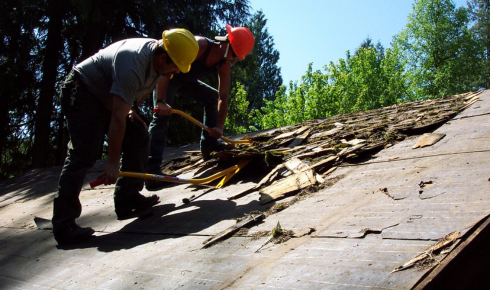
Repairing roof rot requires expertise, precision, and a thorough approach. A professional roofing contractor typically performs:

  1. Full Roof Inspection
    Identifying where rot began and how far it has spread.
  2. Removal of Damaged Materials
    Cutting out rotted wood, shingles, or decking.
  3. Replacing Affected Sections
    Installing new sheathing, roofing materials, and protective underlayment.
  4. Treating Surrounding Areas
    Ensuring no hidden moisture remains.
  5. Improving Ventilation
    Enhancing airflow to prevent future rot formation.
  6. Leak Prevention
    Reinforcing vulnerable areas with proper flashing and sealing.

These steps ensure your roof regains its strength and durability.


Why Immediate Repair Matters

Storm damage and roof rot don’t stay small for long. Delaying repairs can lead to:

  • Widespread structural issues
  • Mold growth inside your home
  • Higher energy bills
  • Expensive roof replacement
  • Decreased home value

Prompt repairs protect both your home and your wallet.


How to Prevent Future Roof Damage

Homeowners can reduce the chances of severe roof issues with a few simple habits:

  • Schedule annual roof inspections
  • Clear gutters regularly
  • Trim overhanging tree branches
  • Address leaks immediately
  • Maintain attic ventilation
  • Check the roof after major storms

Prevention is always cheaper than repair.


Conclusion

Storm damage and roof rot may seem overwhelming, but addressing them early can save you from serious repairs down the road. A strong, healthy roof is essential for protecting your home, your family, and your investment. Whether you’re dealing with wind damage, leaks, or hidden rot, professional storm damage and roof rot repair ensures your roof remains durable, safe, and ready to withstand whatever nature brings next.

Garage Smart Lift Solutions: How MyLifter and SmarterHome Lift Systems Transform Your Storage Space

0

Maximizing garage space has become a priority for homeowners who want a cleaner, safer, and more organized home. With the growing popularity of smart home technology, systems like garage smart solutions, MyLifter, and SmarterHome Lift devices are changing the way people store their belongings. Whether you have seasonal items, sports equipment, or heavy tools cluttering your garage, a smart lift system can simplify storage and help you reclaim valuable floor space. In this guide, we explore how MyLifter, garage smart lift systems, and SmarterHome Lift products work—and why they’ve become top choices for homeowners looking to upgrade their garage organization.

What Is MyLifter and How Does It Work?

MyLifter is an innovative motorized lifting system designed to make overhead storage simple and safe. Unlike manual hoists or traditional pulley systems, MyLifter uses smart technology that you can control through an app. This allows users to raise or lower storage platforms, bikes, kayaks, and other equipment with just a tap on their phone.

One of the biggest advantages of MyLifter is its user-friendly design. It features weight sensing technology, which automatically detects the load and prevents over-lifting or unsafe operation. Additionally, its smooth lifting mechanism ensures that even heavy items can be moved effortlessly. Homeowners appreciate MyLifter because it eliminates the strain and risk associated with lifting bulky garage items manually.

Benefits of Using My Lifter for Home Organization

Investing in a my lifter system offers multiple benefits. Not only does it free up floor space, but it also helps prevent clutter from becoming a safety hazard. Many garage accidents occur due to tripping over items that are not properly stored. With MyLifter, everything has a designated overhead space.

Another advantage is its enhanced safety features. The system has automatic locking and integrated load management, which keeps items secure even during power outages. The app’s precision control also means you can raise items to the exact height you prefer. This level of convenience makes MyLifter an excellent choice for homeowners who want hassle-free garage storage.

Why Choose a Garage Smart Lift System?

A garage smart lift system provides more than just storage functionality—it modernizes your entire garage experience. These systems offer hands-free operation and advanced connectivity that make organization seamless. Unlike traditional storage racks or hooks, smart lifts can handle heavier items more safely.

Garage smart lifts also help improve the overall aesthetics of your garage. By removing clutter from the floor and placing items neatly overhead, the space instantly appears more open and clean. These systems are especially beneficial for small garages where square footage is limited. Instead of expanding or remodeling, you can optimize your existing space with an efficient smart lift solution.

The SmarterHome Lift Advantage

For homeowners looking for a robust and stylish lifting solution, the SmarterHome Lift offers cutting-edge features. These lifts are built with strong materials designed to hold heavy loads, making them ideal for holding items like storage bins, tire sets, bicycles, and outdoor gear. With smartphone integration, users can operate the system remotely and monitor the weight in real time.

SmarterHome Lift systems also prioritize safety and convenience. Their motors are engineered for smooth lifting, and built-in safety locks ensure that your stored items remain secure. This gives homeowners peace of mind knowing that their garage items are safely suspended overhead and easily accessible when needed.

Final Thoughts

Smart garage lift systems like MyLifter and SmarterHome Lift make everyday storage easier, safer, and far more efficient. They represent the next step in modern home organization, helping you make the most of every inch of your garage. Whether you need to store heavy tools, recreational equipment, or seasonal items, these systems offer a reliable long-term solution.

By investing in a smart lifting system, you not only enhance your garage’s functionality but also improve its appearance and safety. If you’re ready to upgrade your storage space and embrace smarter living, systems like MyLifter and the SmarterHome Lift are excellent choices that bring both convenience and value to your home.

When Water Becomes Essential: How Reliable Bulk Water Delivery Keeps Communities Flowing

0

It’s funny how you don’t really think about water—until you don’t have it. A dry tap has a way of shifting perspective fast. Whether you’re running a construction site under the blazing sun, filling a pool that’s finally been installed, or keeping livestock hydrated during a heatwave, water suddenly becomes the star of the show. That’s where the unsung heroes of modern infrastructure step in: companies that specialize in large-scale water logistics and delivery.

In towns and rural areas alike, access to dependable water transportation is what keeps projects alive and communities functioning. It’s not glamorous work, but it’s vital—literally the backbone of operations that depend on liquid resources.


The Backbone of Hydration Logistics

You might think of tankers rolling down the highway and imagine fuel, not water. But there’s an entire network of trucks moving thousands of gallons daily—quietly ensuring there’s enough for industrial cleaning, construction compaction, agriculture, even event sanitation. These are the operations run by a bulk water supplier, whose job is to get clean, safe water exactly where it’s needed, on time, and in the right quantity.

What sets great suppliers apart isn’t just capacity, it’s coordination. They manage routes, maintain sanitation standards, and ensure water quality testing meets regulations. It’s not a small feat when you’re serving remote locations or delivering across long distances in changing weather conditions. Many of these companies are also on-call for emergencies—think wildfire zones, municipal shortages, or sudden equipment failures at treatment plants.


Why Consistency Matters More Than You Think

In some industries, a short delay is a mild inconvenience. In water logistics, it can halt production, create safety hazards, or compromise hygiene. That’s why reliability isn’t a marketing term here—it’s survival. The bulk water supply chain has to stay strong even when external systems fail.

Picture a large-scale construction site where concrete mixing grinds to a halt because tanks run dry. Or a rural community relying on delivered water while a local well is repaired. These aren’t hypothetical scenarios—they happen more often than most realize. Consistent supply means keeping hospitals functional, farms productive, and manufacturing lines moving.

A trusted delivery partner usually integrates advanced scheduling tools, satellite tracking, and even moisture or tank-level sensors to predict when clients will need refills. It’s a mix of logistics and intuition, built from years of working in the field and understanding that “running out” simply isn’t an option.


What It Takes to Keep the Water Clean

Clean water sounds obvious, but transporting it safely is a science. Every tanker has to be sanitized, inspected, and sealed. Even minor contamination can throw off pH levels or introduce bacteria. That’s where trained operators come in—people who understand not just logistics but health safety protocols.

For potable water, it’s even more critical. These aren’t just trucks carrying liquid; they’re mobile extensions of municipal systems. Before each delivery, they’re disinfected, tested, and certified to meet drinking-water standards. When you order a potable water truck delivery, you’re trusting that every step from source to destination has been handled with precision. And that’s exactly why regulatory oversight and testing procedures are taken so seriously.


Unexpected Uses You Probably Didn’t Think Of

While the obvious jobs—construction and agriculture—get most of the attention, bulk water services also play roles in unexpected places. Music festivals rely on them for sanitation systems and misting zones. Fire departments use them to refill tanker engines during wildfire season. Even film productions use delivered water for simulated rain scenes or to keep dust levels down on desert shoots.

There’s something quietly fascinating about that, isn’t there? Water as both a life-sustaining resource and a logistical commodity. It’s a reminder of how deeply connected modern industries are to something so elemental.


The Technology Shaping the Industry

The old days of “call-and-deliver” are fading fast. Now, real-time tracking and automation make the process smarter. Clients can see exactly where their water is, when it’ll arrive, and how much remains in their on-site storage.

Some providers are even experimenting with route optimization software that calculates the most fuel-efficient paths—lowering costs and emissions. It’s sustainability meeting necessity. The industry might look old-fashioned from the outside, but inside it’s rapidly modernizing, integrating digital systems and data-driven decision making.

And while that might sound sterile, it has human benefits: fewer delays, cleaner water, and more transparency for customers who just want to know their supply won’t let them down.


When Emergency Strikes

There’s another side to this story—the part most of us hope we never need. When floods contaminate local reservoirs or wildfires destroy municipal lines, these trucks become lifelines. Emergency teams coordinate with water haulers to establish mobile hydration stations or refill firefighting units.

During those moments, the drivers and dispatchers are more than service providers; they’re part of the response network that keeps people safe. You’ll often see them working through nights, navigating tough roads, making sure hospitals, shelters, and command posts have access to clean, usable water.

It’s a side of the business that doesn’t get headlines but carries immense responsibility—and pride.


Looking Ahead: Sustainability and Smart Delivery

With water scarcity becoming a global concern, efficiency and conservation are the next frontiers. Forward-thinking companies are exploring filtration and reclamation technologies, ensuring less waste during transport and delivery. Some are even partnering with municipalities to create hybrid systems—where delivered water supplements local supply during peak demand instead of replacing it entirely.

That evolution mirrors a broader truth: we’re all becoming more conscious of how precious water really is.


A Quiet Industry That Keeps the World Running

Maybe it’s not flashy, but there’s something admirable about this work. Behind every construction milestone, every replenished farm, and every festival handwashing station, there’s a truck driver, a dispatcher, and a system quietly making it all possible.

So the next time you see a tanker labeled “Water Delivery,” know it’s carrying more than just H₂O—it’s carrying reliability, safety, and the quiet assurance that, no matter what, someone’s keeping the flow steady.

Because in the end, life doesn’t just depend on water. It depends on the people who bring it to us when we need it most.

When Clean Water Becomes a Daily Priority: The Essential Role of Water Treatment and Well Services

0

There’s something incredibly grounding about turning on a tap and trusting what flows out. It’s one of those simple things most of us take for granted until the taste changes, or the water turns murky, or an odd smell fills the room. That’s when the importance of clean, safe, and dependable water suddenly hits home. In many communities—especially rural or suburban ones—this isn’t just about comfort, it’s about survival. That’s where water treatment services come into play, quietly working behind the scenes to keep our families and businesses supplied with clean, healthy water every day.


Understanding the Value of Water Treatment

Water might look clear, but what you can’t see can absolutely hurt you. Contaminants, minerals, and even bacteria often lurk unseen, carried through aging pipes, shallow wells, or untreated municipal supplies. Professional treatment solutions ensure that water meets strict health standards, removing sediments, iron, sulfur, chlorine, and harmful microorganisms.

What’s fascinating is how customized this process can be. A household in Texas dealing with hard water might need a softener, while a business in a farming region might require nitrate filtration. The key is that there’s no one-size-fits-all solution—each system is tailored based on the source and local conditions. That’s the beauty of the industry: a blend of science, engineering, and everyday necessity.


Drilling Deep: The Foundation of Reliable Water

Behind every glass of water from a private source lies another essential process — well drilling. It’s not just about digging a hole in the ground; it’s a calculated, technical task that determines the purity, pressure, and longevity of a water supply. Professional drillers use geological surveys, high-precision rigs, and environmental data to locate sustainable aquifers while minimizing ecological impact.

Think of it like finding a natural treasure beneath the surface. Once drilled, the well is carefully sealed, cased, and tested, ensuring it can deliver safe water for years—sometimes decades. Properly constructed wells not only provide independence from public utilities but also guarantee a level of freshness and mineral richness that many bottled waters try to imitate.

Still, it’s not a “drill and forget” job. Regular inspections and testing are crucial, as changes in groundwater chemistry can occur over time. Maintenance keeps the supply stable and prevents contamination, particularly from surface runoff or nearby construction activities.


The Science Behind Purity: Reverse Osmosis Systems

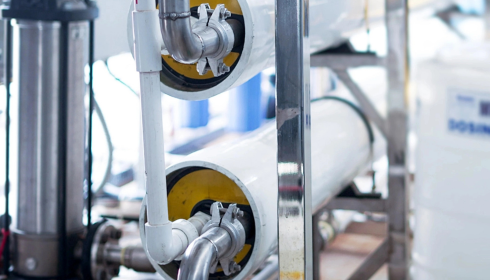
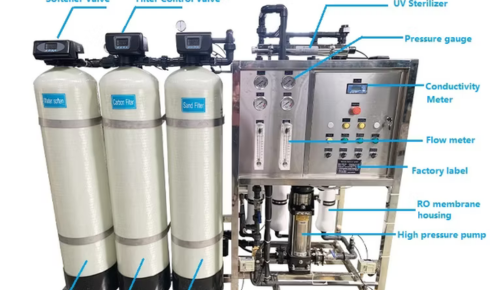
Among the modern marvels of clean water technology, reverse osmosis systems stand out. At first glance, they sound like something from a high school chemistry book, but in practice, they’re a household hero. Using a semi-permeable membrane, these systems push water through microscopic filters that remove dissolved salts, heavy metals, and even the tiniest contaminants.

The result? Crisp, refreshing, purified water straight from your kitchen sink. What’s even better is that RO systems are now compact, affordable, and efficient. Many come with multi-stage filtration—sediment, carbon, and membrane layers—each playing a specific role in refining the taste and safety of your drinking water.

Whether you’re running a small café that depends on consistent flavor in every cup of coffee, or simply want better-tasting water at home, RO technology offers that peace of mind. It’s a smart investment in both health and quality of life.


Real-World Impact: From Homes to Businesses

Clean water isn’t just a personal need—it fuels industries, agriculture, and healthcare. A manufacturing plant can’t function without purified water for cooling systems. A local farm relies on tested wells for irrigation. Hospitals depend on sterilized water to keep patients safe. The ripple effect of water management is immense.

That’s why modern providers go beyond just installation. They educate customers about routine maintenance, system upgrades, and local compliance standards. It’s an ongoing partnership—one built on trust, service, and the shared goal of sustainability.

In small towns, it’s often the same local technicians who have been serving generations of families, adapting their tools and methods with each new advancement. They understand that water isn’t a luxury; it’s the heartbeat of the community.


A Sustainable Future Through Smarter Water Care

As environmental challenges grow—droughts, contamination, and resource depletion—smart water management becomes non-negotiable. Efficient systems help conserve energy, reduce waste, and minimize plastic dependency from bottled water.

Solar-powered well pumps, eco-friendly filters, and low-maintenance purification units are emerging as sustainable options for both homeowners and large facilities. The focus has shifted from reactive solutions to proactive ones—preventing problems before they arise.

The best part? This evolution doesn’t just benefit the environment. It saves money over time, boosts property value, and contributes to a healthier lifestyle. Clean water today means fewer health issues tomorrow.


In Closing: The Power of Every Drop

It’s easy to overlook something so constant, so ordinary, until it’s gone. But the truth is, clean water is one of the most extraordinary gifts of modern living. Behind that clear stream flowing from your tap lies an entire network of science, engineering, and human effort—all working tirelessly to protect what’s most vital.

So next time you take a sip, take a moment to appreciate it. It’s more than hydration—it’s history, innovation, and care distilled into every drop. Whether it’s through dedicated water treatment services, expert well drillers, or cutting-edge filtration systems, the goal remains beautifully simple: keeping life pure, fresh, and flowing.

Fixing Leaks and Restoring Comfort — The True Value of a Good Plumber in Hobbs, NM

0

There’s something oddly humbling about water. It keeps us alive, powers our homes, and yet, when a single pipe decides to misbehave, it can turn the calmest morning into chaos. Anyone who’s dealt with a burst pipe at midnight or a stubborn drain knows exactly what I mean — plumbing problems don’t care about your schedule. They just happen. And when they do, the first person you want on speed dial isn’t your best friend. It’s a plumber — preferably one who knows the ins and outs of Hobbs, NM.

That’s where the importance of master plumbers hobbs nm really hits home. These aren’t just folks with a wrench and a truck. They’re highly trained professionals who understand not just pipes and fittings but the rhythms of local water systems — from the city’s aging infrastructure to the unique mineral composition of the local water supply that can affect everything from water heaters to faucets.


Plumbing Problems Don’t Wait — And Neither Should You

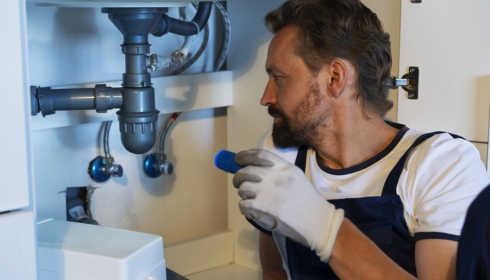
You know that feeling when you spot a small leak under the sink and think, “I’ll deal with it tomorrow”? Yeah, that’s usually the moment everything starts to spiral. One day it’s a drip; the next, you’re standing in a small indoor puddle, wondering how much damage your cabinets have taken. That’s the beauty of a good plumber — they don’t just fix the problem you can see; they prevent the disasters you can’t.

The best plumbers hobbs nm understand this. They’ve seen the domino effect a neglected leak can cause. From water pressure inconsistencies to unexpected increases in your utility bill, plumbing issues are sneaky like that. A professional eye can spot corrosion, root infiltration in old pipes, or the quiet hum of a water heater about to give up the ghost.


Local Experts, Local Insight

What sets local Hobbs plumbers apart isn’t just proximity. It’s their understanding of how this region breathes. Hobbs isn’t just another dot on the map — it’s a desert town where hard water and fluctuating temperatures play tricks on plumbing systems. Pipes expand and contract; minerals build up faster. The person you hire needs to know how local weather, soil, and water chemistry interact over time.

That’s why hiring plumbers in hobbs nm is often smarter than calling a generic company from out of town. They don’t just fix your leak; they know why it happened. Maybe your pipes need a specific insulation type, or your fixtures require filters to handle high mineral content. These are things only experience in Hobbs can teach — and it’s that insight that saves you money and frustration down the road.


What Makes a Good Plumber Truly Great

You can tell a lot about a plumber before they even touch a tool. The good ones ask questions — not because they’re nosy, but because they care about getting it right. They’ll want to know how old your home is, whether you’ve had recurring issues, or if there’s been recent construction nearby that could’ve shaken the water lines.

The great ones go a step further — they educate. They’ll explain what went wrong and how to prevent it in the future, often showing you the parts or buildup firsthand. It’s not about upselling; it’s about building trust. And in small towns like Hobbs, word travels fast. One satisfied customer can lead to a lifetime of referrals, while one bad job can echo for years.

That’s why so many local homeowners stick with one trusted plumber for decades. They’re not just service providers — they’re problem solvers, neighbors, and sometimes even lifesavers when a major flood threatens your flooring or electrical lines.


The Range of Services That Keep Homes Running Smoothly

Plumbing isn’t just fixing leaks. It’s ensuring your entire home works as it should. From water heaters to garbage disposals, everything’s interconnected. The local pros handle:

  • Water heater installation and repair (because cold showers are for campers, not homeowners)
  • Drain cleaning — a simple job that can prevent major blockages later
  • Sewer line inspection and repair using camera diagnostics
  • Fixture installation for kitchens and bathrooms
  • Emergency plumbing calls, 24/7

It’s that reliability — knowing someone will show up, day or night, ready to solve the problem — that turns an average plumber into a trusted partner. In a city where the nearest big-box store might be miles away, that kind of dependability is gold.


Why DIY Can Cost More Than It Saves

There’s a certain pride that comes with fixing things yourself. I get it. But plumbing… it’s a different beast. Sure, tightening a faucet or unclogging a drain feels satisfying, but once you start messing with water pressure systems or gas connections, things get risky fast. One wrong move can cause flooding, property damage, or even health hazards if contaminated water seeps into your lines.

Local plumbers have not only the tools but the licenses and safety training to handle it all. They’re insured, certified, and, most importantly, accountable. So when something goes wrong — which it rarely does — you’re covered. And that peace of mind? Worth every penny.


The Comfort of Knowing You’re in Good Hands

There’s something reassuring about hearing a confident “We’ve got it handled” from a professional who’s seen it all before. Plumbing may not seem glamorous, but it’s one of those trades that quietly holds your home together. Without it, life gets messy — fast.

Understanding Alkaline Water and Its Curious Connection to Everyday Wellness

0

There’s something oddly fascinating about water — it’s everywhere, yet the more we learn about it, the stranger it seems. In recent years, the term “alkaline water” has quietly seeped into conversations about health, fitness, and longevity. You’ve probably seen it lining supermarket shelves, boasting benefits like improved hydration or neutralizing acid in the body. But the real question is — what’s behind the buzz? Is it magic in a bottle or just smart marketing wrapped in a scientific-sounding label?

Let’s peel this back gently and talk about what alkaline water actually is, how it’s made, and why people care so much about it.


The Science Behind the Sip

At its simplest, alkaline water refers to water with a higher pH than regular tap water. Normal drinking water typically has a pH of around 7, which is neutral. Alkaline water, on the other hand, usually measures between 8 and 9 on the pH scale. That means it’s less acidic.

The idea is that consuming it might help neutralize excess acid in the bloodstream — though scientific evidence on this is, well, still a little murky. Yet many drinkers swear by it, claiming it helps with digestion, boosts energy, and even improves skin.

While the claims might sound exaggerated, the concept isn’t entirely baseless. Our bodies do work constantly to balance pH levels. Supporters argue that drinking alkaline water simply gives it a little push in the right direction.


Making Alkaline Water at Home (It’s Simpler Than You Think)

Let’s be honest — spending a few dollars on bottled alkaline water each time isn’t ideal. The good news? You can make it yourself, and it’s surprisingly easy. People are often shocked to learn that alkaline water how to make doesn’t involve complex chemistry or expensive gadgets.

You can start small — squeeze fresh lemon into a glass of water and let it sit for a few minutes. Even though lemon is acidic, once metabolized, it has an alkalizing effect inside the body. For something a bit more direct, you can add a pinch of baking soda. It’s a simple, old-school trick that instantly raises water’s pH.

Some prefer installing an ionizing machine, which separates acidic and alkaline components of water through electrolysis. If that sounds too tech-heavy, you can also use mineral drops or filters designed to enrich your drinking water with calcium, magnesium, and potassium.

Each method has its pros and quirks — it’s more about what fits your lifestyle than following a strict formula.


So, What Actually Makes Water Alkaline?

Here’s the part where chemistry meets curiosity. The key to what makes water alkaline lies in its mineral content and pH balance. When water contains certain minerals — like calcium, potassium, magnesium, and bicarbonate — it naturally becomes more alkaline. These minerals don’t just change the taste; they also influence how water interacts with the acids in your body.

Some regions naturally have alkaline water flowing through mineral-rich rocks and soil. That’s why people living near mountains or springs often find their water tasting “cleaner” or “smoother.” It’s not psychological — those minerals subtly change the composition.

The fascinating bit is that this process mimics what many commercial filters or ionizers try to replicate. But whether you get it from a mountain spring or a countertop machine, the goal remains the same — a slightly higher pH that feels refreshing and, for some, beneficial.


The Water Softener vs Reverse Osmosis Debate

Now, here’s a twist most people don’t think about — when trying to improve their home water quality, they often mix up purification with alkalinity. And that brings us to the water softener vs reverse osmosis debate.

A water softener works by removing minerals like calcium and magnesium that cause “hard water.” It uses salt or resin beads to exchange those minerals for sodium or potassium. The result? Softer water that prevents scale buildup in pipes, leaves your laundry softer, and makes your showers feel smoother.

Reverse osmosis (RO), on the other hand, takes purification to another level. It forces water through a fine membrane that filters out almost everything — impurities, contaminants, and yes, even minerals. The catch? That same process makes RO water slightly acidic because it strips away the very minerals that make water alkaline.

So, if you have a reverse osmosis system, your water might be clean, but it’s not necessarily alkaline. Some people actually pair RO with a remineralization filter to get the best of both worlds — purity and balance. It’s a small adjustment that can make a noticeable difference in taste and feel.


Does Alkaline Water Really Do Anything?

That’s the million-dollar question. Scientifically, your body is brilliant at maintaining its pH balance, no matter what you drink. Your stomach acid, for instance, has a pH of around 2 — strong enough to dissolve metal. So even if you drink alkaline water, it’s neutralized pretty quickly.

However, anecdotal evidence can’t be dismissed entirely. Many people report feeling less bloated, more hydrated, and generally “lighter” after switching. This could be due to the water’s smoother texture or improved mineral content rather than the pH itself.

In the end, it might not be about changing your body’s chemistry but supporting it with cleaner, mineral-enriched hydration. The placebo effect? Maybe. But if it gets you drinking more water, that’s already a win.


Finding a Balance That Works for You

You don’t need to transform your kitchen into a mini-lab or buy fancy machines to experience the benefits of better water. The trick is consistency — whether that’s adding mineral drops, switching to a basic filter, or just remembering to drink more throughout the day.

Water, after all, is personal. What tastes “pure” to one person might seem bland to another. What feels “energizing” for you could feel no different to someone else. The important thing is awareness — knowing what’s in your water and how it affects your daily well-being.

So, experiment a little. Try homemade versions, sample different filters, and see what feels best for your body. You might find that your perfect glass of water isn’t defined by pH numbers at all, but by how refreshed it makes you feel.


The Takeaway: Simplicity in Every Sip

In the end, the conversation about alkaline water is less about trends and more about mindfulness. It’s not a miracle cure, nor a myth to ignore. It sits somewhere in between — an intriguing intersection of science, habit, and personal experience.

The Quiet Revolution in Clean Water: How Modern Solutions Are Changing Homes

0

We often take water for granted. Turn on the tap, and there it is—clear, cold, life-sustaining. Yet, beneath that simplicity lies a complex web of challenges: contaminants, minerals that can wreak havoc on plumbing, and taste issues that leave many of us reaching for bottled water. It’s easy to forget how pivotal clean water is until a minor issue turns into a full-blown headache. And that’s where modern water treatment solutions step in—subtle, efficient, and often overlooked heroes of daily life.

The landscape of water treatment has shifted dramatically in the past decade. No longer confined to large industrial operations, water purification technology is now accessible to homeowners and small businesses alike. The methods have diversified, from traditional filtration and softening to advanced reverse osmosis systems and eco-friendly innovations. Today, you’re not just removing sediments; you’re improving taste, safeguarding appliances, and even reducing your environmental footprint. But with so many options, how does one even begin to navigate the choices?

A quick Google search for water treatment companies near me might be your first step. It’s tempting to scroll through endless listings, each promising pristine water and state-of-the-art systems. But the real challenge isn’t finding a company—it’s finding the right one for your unique situation. Not every system suits every home. Factors like local water quality, household size, and specific health concerns all play a role. One family might need a robust filtration setup to combat hard water, while another is looking to reduce chlorine taste and odor. Understanding your needs before you make a choice saves headaches down the line.

Take, for instance, the concept of water softening. Hard water, rich in calcium and magnesium, isn’t inherently harmful to health, but it can wreak havoc on plumbing, dishes, and even your skin. Those stubborn soap scum rings in your shower? Classic signs. A dedicated water softener addresses these problems quietly, often going unnoticed until you realize just how much smoother your skin feels after a shower. The technology is surprisingly clever—through ion exchange or other methods, these systems replace minerals that cause scaling with sodium or potassium ions, preventing buildup and extending the life of your pipes and appliances.

But it’s not just about comfort. The environmental impact of our water choices has gained attention, especially with single-use plastic bottles littering landscapes worldwide. Enter companies like Mcleods Eco Water, which are making strides in combining effective purification with eco-conscious practices. Instead of relying on disposable filters or water jugs, these solutions emphasize sustainability without sacrificing quality. They cater to households wanting both convenience and environmental responsibility—a combination that’s becoming increasingly non-negotiable for modern consumers.

A common misconception is that all water treatment systems are expensive or complicated. In reality, there’s a surprising amount of flexibility. You can find modular systems that fit under your sink, whole-house solutions that treat every drop, and even portable options for renters or those on the move. The key is understanding the difference between filtration and purification. Filtration removes physical contaminants like dirt or rust, while purification tackles biological threats like bacteria and viruses. Depending on your location and water source, one or both may be necessary. It’s this nuance that distinguishes a well-informed choice from a hasty purchase.

Many people also underestimate the role of routine maintenance. A system is only as good as its upkeep. Filters need replacing, tanks require flushing, and water quality should be periodically tested. The irony is that most issues people blame on a system’s failure are actually due to neglect. A little attention goes a long way, ensuring longevity and consistent water quality. It’s a simple habit that can save hundreds, if not thousands, over time.

For those seeking a more hands-off approach, automation has entered the scene. Smart water treatment devices now offer app-based monitoring, notifications for filter changes, and even diagnostics for water quality. Imagine knowing, in real time, that your drinking water is perfect without ever having to lift a finger. It sounds futuristic, but it’s increasingly commonplace. These innovations aren’t just gimmicks—they encourage better maintenance habits and provide peace of mind, especially for families with children or elderly members who need reliable access to safe water.

Yet, beyond the technology and convenience, there’s a deeply human element at play. Water shapes daily routines, family traditions, and personal wellbeing. Cooking, bathing, making coffee—these moments are all subtly transformed by the quality of water you use. I’ve spoken to homeowners who swear by the difference a good system makes. Dishes feel cleaner, coffee tastes richer, and even houseplants thrive more than ever. It’s not just about removing impurities; it’s about elevating everyday experiences.

Of course, it’s important to be discerning. Marketing often exaggerates claims, and not every brand lives up to its promises. Checking certifications, customer reviews, and professional affiliations can prevent disappointment. Organizations like NSF International or the Water Quality Association provide benchmarks that help separate credible systems from hype. When in doubt, asking for water testing and consultation from trusted local providers can clarify what your home truly needs.

On a practical note, one overlooked benefit of modern water treatment is energy efficiency. Systems that integrate well with home plumbing can reduce water waste and energy consumption, especially when paired with low-flow appliances. Over time, this not only offsets installation costs but also contributes to broader sustainability goals. It’s a subtle reminder that every drop matters, and every decision has a ripple effect.

Many households also find themselves revisiting their choices as life changes. A growing family, a new property, or even shifting municipal water standards can prompt reconsideration of your setup. Here, the adaptability of brands like mcleod’s ecowater shines. Their modular systems allow for upgrades without a complete overhaul, which is both cost-effective and less disruptive. Water needs aren’t static, and a flexible system ensures that you’re prepared for whatever comes next.

When considering professional installation versus DIY, it’s often a balance of confidence and convenience. Certain systems are simple enough for homeowners with basic plumbing skills, but larger setups—especially those integrating smart monitoring—benefit from expert hands. Professional installers can also calibrate systems to local water chemistry, maximizing performance and lifespan. Sometimes, that small upfront investment saves months of troubleshooting and frustration.

Ultimately, the story of water treatment is not just about technology or science—it’s about empowerment. It’s about taking control of something that affects every sip, every bath, and every meal. Modern solutions, from eco-conscious brands to smart monitoring devices, put that control squarely in your hands. By investing time in research, understanding your unique needs, and maintaining your system, you can enjoy water that’s not only safe but enriching.

The quiet revolution in clean water isn’t flashy. You won’t see headlines or viral videos showcasing your morning glass of filtered water. But in the rhythms of daily life, the impact is profound. Every cup of coffee, every bath, every plant watered with care becomes a small testament to the ingenuity and thoughtfulness behind modern water treatment. And in a world where resources are finite and quality of life matters more than ever, that’s a revolution worth embracing.

So, whether you start by searching for water treatment companies near me, exploring eco-conscious options like Mcleods Eco Water, or considering the flexibility of mcleod’s ecowater systems, remember: the goal isn’t just clean water. It’s peace of mind, enhanced daily living, and a subtle but meaningful step toward sustainability. Water is life, yes—but with the right approach, it can also be a little more magical, a little more effortless, and a lot more reliable. And really, who wouldn’t want that in their home?