Home Blog Page 6

The Quiet Revolution of Clean Water: Why Moore Water is Changing the Game

0

Water is something most of us take for granted. We turn on the tap, pour a glass, brush our teeth, or fill a kettle without giving it a second thought. But the truth is, clean water isn’t just a convenience—it’s the cornerstone of health, productivity, and peace of mind. And somewhere between daily life and the unseen pipelines of treatment facilities, companies like Moore Water are quietly redefining what it means to have water you can truly trust.

It’s easy to underestimate the complexity behind the glass of water sitting on your counter. Think about it: water is constantly on the move, gathering minerals, sometimes pollutants, and other times… well, things you’d rather not imagine. For decades, municipal water systems have done the heavy lifting, but even the most advanced cities can’t catch everything. Enter the niche specialists—companies that focus not just on delivering water but ensuring it’s safe, pure, and tailored to the needs of each household or business. That’s where Moore Water and Air steps in.

More Than Just Filtration

I remember visiting a local facility a few years ago and being astounded at how much goes into something so seemingly simple. The tanks, filters, and monitors hummed in a rhythm that felt almost alive. The engineers explained the layers of filtration, from carbon filters to reverse osmosis membranes, and I realized water treatment isn’t just science—it’s an art.

Moore Water doesn’t just treat water; they engineer it. Their approach combines traditional methods with modern tech to ensure every drop leaving their systems is more than adequate—it’s exceptional. Unlike generic filtration systems you might slap under your sink, their solutions are tailored. It’s the difference between instant coffee and a barista-crafted espresso: both get the job done, but one leaves a lasting impression.

In homes across the country, families are noticing the subtle but meaningful differences: crisper-tasting drinking water, longer-lasting appliances, and even softer skin. It sounds like a small thing, but when you think about how often water touches your life, these small improvements add up.

Why Water Treatment Matters More Than Ever

We live in a world where water contamination isn’t just a distant news story—it’s real, and it’s happening closer to home than many realize. Lead pipes in aging cities, agricultural runoff, industrial byproducts… the list goes on. The Environmental Protection Agency sets guidelines, but even the strictest regulations can’t account for everything.

This is where Moore Water and air shines. Their systems don’t just meet standards—they anticipate problems. Think of it like having a seatbelt that adjusts itself in real-time, or a thermostat that predicts a cold snap before it hits. It’s proactive care for a resource that we all depend on, yet rarely scrutinize until something goes wrong.

For businesses, the stakes are even higher. Restaurants, hotels, and manufacturing plants rely on consistent water quality not just for taste or comfort, but for compliance, efficiency, and safety. The last thing a bakery needs is water that subtly alters dough hydration or a brewery that battles unexpected mineral content. Moore Water Treatment solutions provide a layer of reliability that can make or break operations.

The Human Element of Clean Water

What I find most striking about Moore Water and Air isn’t just the tech—it’s the people behind it. There’s a tendency in conversations about water to get lost in jargon: TDS levels, sediment filters, UV sterilization. But at Moore, the discussion always circles back to people. How will this water affect your morning coffee? Your toddler’s bath? The fish in your home aquarium?

It’s an approach that seems obvious but is often overlooked. Most companies focus purely on the numbers. Moore focuses on the experience. And there’s something comforting about knowing that there are folks out there thinking about the quality of water as if it were their own.

I spoke to a technician once who laughed as he described a day where he had to troubleshoot a residential system after a nearby construction project disrupted the water supply. “You’d be amazed how personal it gets,” he said. “By the end of the day, you’re not just fixing a filter; you’re protecting a family’s daily life.” That level of care translates into trust—and in water, trust is everything.

Innovations That Keep Water Cleaner, Longer

One of the exciting parts of Moore Water’s approach is their commitment to innovation. They’re not content with simply maintaining the status quo. From advanced filtration technologies to smart monitoring systems that alert homeowners before issues even arise, the company continually pushes the boundaries of what water treatment can do.

For example, their integration of real-time sensors allows homeowners and businesses to see exactly what’s happening with their water at any given moment. This isn’t just a gimmick; it’s a meaningful step toward prevention rather than reaction. And in an era where sustainability is no longer optional, minimizing waste and maximizing efficiency isn’t just smart—it’s essential.

Environmental Responsibility Meets Everyday Life

Water treatment doesn’t exist in a vacuum. Every decision—filter material, energy use, disposal of contaminants—carries environmental weight. Moore Water and Air’s commitment to eco-conscious practices shows that treating water responsibly extends beyond your kitchen or business.

They’re using energy-efficient systems, sustainable materials, and even programs to recycle or safely dispose of used filters. The result is a system that benefits not just users but the planet, creating a quiet ripple effect. It’s the kind of behind-the-scenes effort that doesn’t make headlines but quietly improves our collective well-being.

Real Stories, Real Impact

I recently heard a story from a small café owner who had struggled with inconsistent water quality for years. The coffee tasted different every week, and patrons began noticing. After installing a Moore Water treatment system, everything changed. The coffee’s flavor stabilized, the equipment lasted longer, and customer complaints dropped dramatically. It wasn’t magic—it was good engineering, careful planning, and a commitment to quality.

Stories like this aren’t rare. Families report softer laundry, better-tasting cooking water, and even reduced appliance repairs. Businesses see measurable improvements in operational efficiency. And in communities, reliable water quality can mean the difference between a minor inconvenience and a public health concern.

Choosing the Right System

Selecting a water system can feel overwhelming. There’s a dizzying array of filters, purifiers, and treatment setups on the market. But the best choice is one that fits your unique needs, lifestyle, and budget. Moore Water and Air makes this process approachable. They evaluate your water, listen to your concerns, and design a solution tailored to your situation.

It’s not just about the specs—it’s about making sure that your water experience is consistent, safe, and enjoyable. Sometimes the simplest solution is the most effective one, and Moore understands that.

Looking Ahead

Water is one of those rare resources that touches every facet of life. It’s not glamorous, but it’s essential. Companies like Moore Water aren’t just improving water—they’re improving lives. From homes to businesses, from everyday routines to critical operations, their systems offer peace of mind that can’t be measured in gallons alone.

So next time you pour yourself a glass of water, consider the journey it took to get there. Behind that crystal-clear liquid is a network of people, technology, and innovation dedicated to something most of us barely think about. And for those of us lucky enough to benefit from it, it’s worth a little recognition—and gratitude.

Moore Water has quietly become one of those unsung heroes, ensuring that every sip, every shower, and every dish washed is a small but significant testament to the importance of clean, treated water. It’s more than a service; it’s a commitment to quality, health, and the human experience.
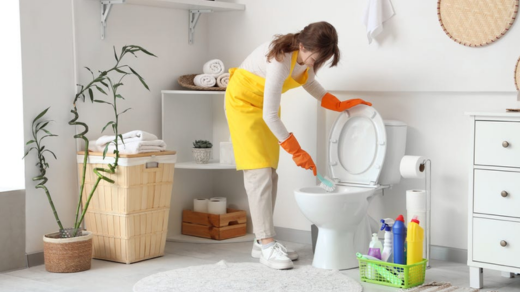
Happy Clean Dublin Gives 6 Valuable Tips For Bathroom Cleaning

0

Let’s be real — nobody wakes up excited to clean the bathroom. Scrubbing off soap scum? Fighting water spots? Wrestling with limescale? Ugh. It’s the kind of job that feels like it never ends.

But guess what?

You can totally make it faster, easier, and yeah… even a little fun.

The pros over at Happy Clean Dublin are here to show you how. They’ve spent years rolling up their sleeves and making Irish homes shine, so they know all the sneaky little hacks that take the stress out of scrubbing.

They’ve turned bathroom cleaning from a dreaded task into a simple routine — and now, it’s your turn.

1 st tip in on Bathroom Cleaning: Start with a top-to-bottom approach cleaning

When cleaning the bathroom, begin at the highest points (shelves, light fixtures, mirror tops) and work your way down to the floor. This ensures dust and grime don’t settle back on freshly cleaned surfaces. Experts at Happy Clean recommend exactly this method: “clear off surfaces … dust from top to bottom … scrub and rinse the shower or tub … finish by mopping the floor.”
Why it matters: Your bathroom is a high-traffic, moisture-prone area. Grime from upper surfaces can fall onto lower ones, meaning you’d be redoing work if you cleaned bottom-up.

Tip nr 2 on Bathroom Cleaning: Use the right tools (and keep them handy)

Having the proper tools makes a big difference. Think: microfiber cloths, squeegee, scrub brush or sponge, toilet brush, all-purpose cleaner, glass cleaner, disinfectant spray. As Architectural Digest puts it: “Arm yourself with a good scrub brush, a broom with a long handle, a squeegee, sponges, and microfiber cloths before you get started”.  Tip from Happy Clean Dublin: store these tools in a caddy or shelf so you’re ready when you decide to clean—no last-minute scramble.

Tip nr 3 in on Bathroom Cleaning:  Tackle high-moisture zones first

Showers/tubs, around the sink and faucets, and the toilet are hotspots for soap scum, mould, limescale and bacteria. A deep-clean process might include: applying cleaner, letting it sit, scrubbing, rinsing. For example, Real Simple notes that “the shower-head can harbour … germs … pour white vinegar … tie it in place for an overnight soaking” when doing a deep clean.
After your usual clean, give these zones an extra one-minute “deep look” once a week. It pays off in preventing tougher build-up.

Tip nr 4 in on Bathroom Cleaning:  Make a daily quick maintenance habit

Daily micro-actions mean fewer full-scale cleanings. For example:

  • Keep a squeegee in the shower and pull it over the glass door or walls after each use.
  • Wipe the sink and countertop each morning or night to quickly remove soap residue or toothpaste splatter.
    These simple things take a minute or two but they make the weekly cleaning much lighter—and happier.

Tip 5  in on Bathroom Cleaning:  Ventilate and manage humidity

Bathrooms get damp. Without good airflow, mould and mildew can take hold. One guide advises opening a window or running the extractor fan to reduce condensation—especially helpful in windowless bathrooms.
Advice from Happy Clean Dublin: “After a hot shower, crack open the door or use your fan for 10-15 minutes to help surfaces dry faster. Keeping walls and corners dry reduces the grime that loves high-moisture zones”.

Last Tip in on Bathroom Cleaning :  Declutter and organise for easier  Bathroom cleaning

Less stuff means fewer surfaces to clean and fewer places for dirt and moisture to hide. For instance, one cleaning-industry article highlights how professionals remove bath mats, excess towels, and over-toilet storage because they collect moisture and make cleaning harder.
From Happy Clean Dublin: “Keep counters mostly clear, limit visible bottles and containers, and store seldom-used items in a cupboard. The cleaner the space, the easier it is to maintain—and the nicer it feels too”.

Conclusion

Keeping your bathroom clean doesn’t have to feel like an uphill battle. With these six valuable tips from Happy Clean Dublin, you’ll find that consistency and a few smart habits make all the difference. From using the right tools and cleaning top-to-bottom to improving ventilation and daily maintenance, it’s all about working smarter, not harder.
A clean bathroom isn’t just about looks — it’s about creating a healthy, comfortable space for you and your family. So grab your favorite cleaner, turn up some music, and follow these pro-approved steps. Before you know it, your bathroom will shine like new — and you’ll actually enjoy keeping it that way. For those who’d rather leave it to the experts, remember that Happy Clean Dublin is always just a call away to give your home a professional cleaning in Dublin!

When Your Appliances Act Up: Finding Reliable Repair Services in South Carolina

0

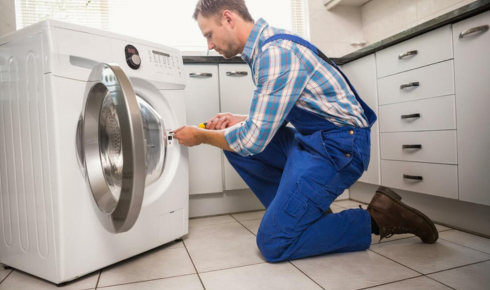
There’s never a good time for a washing machine to break down. Or for your dryer to suddenly decide it’s had enough. These things seem to happen right when you’re juggling a dozen other tasks, standing there with wet laundry and a half-empty bottle of detergent, wondering what went wrong. Living in South Carolina, where humidity already adds its own flair to daily life, an appliance breakdown can turn a simple chore into a full-blown inconvenience.

That’s when a good, trustworthy repair service becomes more than a convenience — it’s a lifesaver.


The Hidden Stress of a Broken Appliance

Let’s be honest: appliances don’t just make life easier — they hold it together. Your washing machine keeps your clothes clean for work, your fridge safeguards your groceries, and your dryer saves you hours every week. When one of them malfunctions, the domino effect hits fast.

You start thinking about costs, repair timelines, and whether it’s even worth fixing. That moment of hesitation — “Do I call someone or just replace it?” — is where most homeowners get stuck. The truth is, in many cases, repairs can save you a significant amount compared to replacing a whole appliance. But only if you have the right experts on your side.

In places like Lexington, where families and professionals are constantly on the move, having quick access to appliance repair lexington sc professionals means peace of mind when your kitchen or laundry room starts misbehaving.


Why Expertise Matters More Than Ever

Modern appliances aren’t like the ones our grandparents had. They’re sleek, digital, and far more complicated under the hood. A simple “tinker and fix” approach doesn’t cut it anymore. Whether it’s your dishwasher not draining or your refrigerator making that ominous buzzing noise, guessing your way through the repair can make things worse.

That’s why trained technicians are invaluable. They not only diagnose problems correctly but also understand how different brands behave — because yes, every brand has its quirks. A Whirlpool washer has a completely different personality than an LG, and a GE dryer can throw tantrums that a Samsung never would.

The best repair professionals don’t just replace parts — they restore confidence. They explain what went wrong, how to prevent it next time, and ensure your appliance doesn’t just work again but works better.


A Closer Look: Washing Machine Woes in Columbia

If there’s one appliance that gets no breaks (pun intended), it’s the washing machine. You run multiple loads a week, maybe daily if you have kids, and that constant usage takes a toll. From strange vibrations to cycles that never seem to finish, washing machines love to throw little surprises.

Finding dependable washing machine repair columbia sc services can save you from countless trips to the laundromat or those awkward “I’ll just rewash it later” moments. Experienced technicians in Columbia understand the regional quirks too — like how hard water can cause mineral buildup or how certain detergents affect drum sensors over time.

Good repair services don’t just fix symptoms; they fix root causes. They’ll clean filters, inspect hoses, recalibrate sensors, and make sure your washer is set for many more cycles to come.


Dryers: The Unsung Heroes of Convenience

If washing machines do the hard labor, dryers are the unsung heroes that make your life feel complete. Imagine having to line-dry clothes in the middle of a humid South Carolina summer — you’d need days before they’re fully dry, and by then, they’d smell like rain clouds.

That’s why when dryers stop heating properly, it feels like your home’s comfort takes a direct hit. Searching for places that fix dryers near you shouldn’t feel like a scavenger hunt. The right repair service will not only fix the heating element or drum belt but also inspect vents for safety. Lint buildup, after all, is one of the most common causes of house fires — something many homeowners overlook.

Professional dryer repair isn’t just about convenience; it’s about safety and efficiency. A clean, properly functioning dryer not only dries faster but also consumes less electricity, saving you money in the long run.


The Balance Between Repair and Replacement

There’s always that tricky question: Is it worth repairing, or should I just buy new? The answer depends on a few things — age, model, and cost of parts. But more often than not, a good technician can help extend the lifespan of your appliance for a fraction of the cost of replacement.

For example, a five-year-old washing machine with a faulty sensor might only need a simple part replacement, not a full replacement. Similarly, dryers that stop heating often just need a new fuse or element, not an entirely new unit.

The key is to get an honest assessment. Reliable repair professionals don’t push unnecessary fixes. They give you the truth — even if that means recommending a replacement because the cost-benefit ratio just doesn’t make sense. That transparency is what separates trustworthy businesses from the rest.


What to Look for in a Reliable Repair Service

When you’re choosing an appliance repair company, don’t just pick the first name on Google. Look for the ones that check these boxes:

  1. Experience and training: Do they handle multiple brands and appliance types?
  2. Prompt service: A broken refrigerator or washer can’t wait days.
  3. Transparent pricing: Hidden fees are red flags.
  4. Warranty or guarantee: A confident technician always stands by their work.
  5. Customer reviews: Real feedback from locals tells you more than ads ever could.

Most importantly, you want professionals who treat your home with respect — from showing up on time to cleaning up afterward. That kind of service turns a one-time call into a long-term relationship.


A Little Maintenance Goes a Long Way

While repairs are inevitable at times, regular maintenance can save you from costly surprises. Clean your lint trap after every dryer cycle, check your washing machine hoses for leaks every few months, and don’t overload your appliances.

Even small habits — like leaving the washer door open to prevent mold or cleaning the refrigerator coils once in a while — can add years to your appliance’s life. It’s a little effort that pays off big time.


Final Thoughts

Home appliances might not get much appreciation until they stop working — but when they do, they remind us just how much we rely on them. Whether it’s finding reliable appliance repair lexington sc experts or trusted technicians for washing machine repair columbia sc, what truly matters is quality, honesty, and care.

In the end, it’s not just about fixing a machine. It’s about restoring rhythm to your everyday life — the comfort of clean clothes, the reliability of chilled food, and the quiet confidence that your home is running smoothly again.

Sometimes, the most ordinary things — like a working dryer or a humming refrigerator — are what make life feel right again. And when they falter, knowing where to turn makes all the difference.

Bardiglio Marble, Marble Floor Tile, Dolomite Marble, Oriental White Marble, Ming Green Marble: A Complete Guide to Elegant Surfaces

0

When it comes to premium natural stone for home interiors and architectural projects, few materials can match the timeless elegance of marble. Known for its sophistication, versatility, and durability, marble has been a preferred choice for centuries. Among the wide variety available, bardiglio marble, marble floor tile, dolomite marble, oriental white marble, and ming green marble are some of the most sought-after options. Each variety offers a unique character and appeal, making it easy to find the perfect match for different design needs.

Bardiglio Marble: Subtle Sophistication

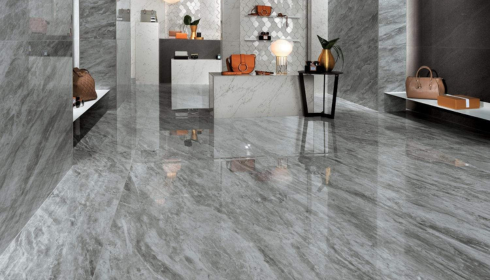
Bardiglio marble is a stunning Italian stone that features deep grey tones with delicate white veining. Its smoky and cloudy patterns create a sense of calm and elegance, making it an excellent choice for both traditional and modern spaces. This marble is commonly used for countertops, wall cladding, flooring, and even decorative pieces. Because of its rich grey palette, it pairs beautifully with lighter stones or wood finishes, giving interiors a refined yet contemporary edge.

Marble Floor Tile: Luxury Underfoot

One of the most popular applications of natural stone is in the form of marble floor tile. Homeowners and designers often choose marble tiles to add grandeur to living rooms, bathrooms, and hallways. Tiles are available in various finishes such as polished, honed, or brushed, offering flexibility in design. Polished tiles add shine and brightness, while honed finishes create a more natural, matte look. Whether laid in a classic grid or herringbone pattern, marble flooring brings a sense of luxury and permanence that few materials can replicate.

Dolomite Marble: Durable and Stylish

Dolomite marble, also known as dolostone, is highly valued for its durability and resistance compared to softer marbles. Its shades usually range from white to light grey with subtle veining, giving it a clean and crisp appearance. This makes dolomite ideal for kitchen countertops, bathroom vanities, and flooring in high-traffic areas. The stone’s resilience allows it to withstand everyday wear and tear while still maintaining its refined beauty. Architects and interior designers often choose dolomite marble when they want a combination of practicality and elegance.

Oriental White Marble: Timeless Brightness

Oriental white marble is prized for its luminous, creamy-white background with fine grey veining. This stone radiates purity and brightness, making it perfect for creating spacious, airy interiors. Frequently used in luxury bathrooms, wall cladding, and statement fireplaces, oriental white marble has a timeless charm that complements both classic and minimalist décor. Its versatility means it can serve as a backdrop for bold design elements or stand alone as the focal point of a room.

Ming Green Marble: Nature’s Fresh Touch

Ming green marble is a unique variety that introduces refreshing tones of soft green, often interwoven with white or light grey veining. It is an excellent option for adding a natural and calming vibe to any interior space. The subtle green shades of ming green marble make it especially popular for bathroom surfaces, spa-inspired spaces, and accent walls. It pairs well with both darker and lighter stones, making it a versatile choice for designers seeking a blend of luxury and tranquility.

Choosing the Right Marble for Your Project

When selecting marble, consider the overall design aesthetic and practical needs of your space. For a modern, dramatic effect, bardiglio marble works beautifully. If you want durability without sacrificing style, dolomite marble is a smart investment. Oriental white marble brightens up interiors, while ming green marble introduces soothing natural tones. For flooring, marble floor tile remains the gold standard in luxury design.

Conclusion

From the smoky elegance of bardiglio marble to the calming shades of ming green marble, each type of stone has its own personality and application. Whether you are renovating your home, designing a commercial project, or simply adding a touch of sophistication, these marble varieties provide endless opportunities for creativity and style. Choosing the right type ensures not only stunning aesthetics but also long-lasting performance, making marble a timeless investment for any space.

Why Reliable Appliance Repair and Installation Really Matters for Your Home

0

There’s a certain comfort in knowing that the machines humming quietly in the background of our lives will keep doing their jobs. From the washing machine that makes sure your clothes are fresh for Monday morning, to the refrigerator that holds a week’s worth of groceries, appliances aren’t just gadgets — they’re silent partners in our daily routines. And when they break down, life has a way of feeling suddenly inconvenient, even a little chaotic. That’s where the value of trustworthy repair and installation comes into the picture.

The Real Cost of Ignoring Appliance Care

It’s tempting to ignore small warning signs: the dishwasher that makes an odd grinding noise, the dryer that takes a little longer to finish its cycle, or the stove burner that doesn’t light immediately. We brush it off, telling ourselves we’ll deal with it later. But waiting often leads to bigger problems. Not only can neglected issues cause complete breakdowns, but they can also waste energy, raise utility bills, and even become safety hazards. A refrigerator leaking water might be a minor nuisance one day, but the next, it could warp your flooring or short out nearby outlets.

That’s why appliance repair and installation services are more than a luxury — they’re an essential safeguard for your home. Professionals who understand the inner workings of these machines can help catch problems early, keep things running smoothly, and install new units properly so you don’t face avoidable issues down the line.

Why Professional Installation Isn’t Optional

We live in a DIY culture. YouTube tutorials and forums make everything look easy. And sure, some tasks are manageable with the right tools and patience, but appliance installation rarely falls in that category. Hooking up a washing machine incorrectly might lead to leaks that damage your walls and floors. A poorly installed oven could result in gas leaks or uneven heating. Even something as straightforward as mounting a microwave can go sideways if the support isn’t strong enough.

That’s why searching for home appliance installation services near me often turns out to be the smarter, safer move. Professionals bring not just experience but also the right equipment and knowledge of local building codes. They’ll ensure your appliances are set up properly, which means better efficiency, longer lifespans, and peace of mind for you.

The Hidden Benefits of Choosing Experts

It’s not just about fixing or setting up the machine itself. Reliable repair and installation services offer a ripple effect of benefits:

  • Time saved: Instead of wrestling with confusing manuals or waiting weeks to “get around to it,” the job gets done right away.
  • Energy efficiency: Well-installed appliances run more smoothly and consume less power.
  • Warranty protection: Many manufacturers require professional installation to keep warranties valid.
  • Safety assurance: Whether it’s proper grounding for electrical devices or leak-proof connections for water and gas, trained technicians know how to minimize risks.

In short, professionals don’t just solve the obvious issue — they help you avoid the hidden ones.

What Makes a Service Provider Stand Out?

Not all repair services are created equal. Some show up late, rush through the job, or leave you with more questions than answers. The best providers combine technical skill with a customer-first mindset. Clear communication, transparent pricing, and respect for your home (think shoe covers and clean-up afterward) are small details that make a big difference.

Brands with established reputations often excel here. For example, Appliances Connection repair services are known for their broad expertise and commitment to customer satisfaction. Having a recognized name behind the service means you’re less likely to encounter fly-by-night operators who cut corners.

When Repair Is Better Than Replacement

The average homeowner often struggles with a common question: should I repair this appliance or just buy a new one? The answer isn’t always straightforward. A good technician will help you weigh the pros and cons. If your washing machine is less than five years old and only needs a belt replacement, repair is clearly the better choice. On the other hand, if your fridge is more than 12 years old and guzzling electricity, replacement might save you money in the long run. Reliable service providers won’t pressure you either way — they’ll lay out the facts so you can make an informed decision.

Common Appliances That Need Regular Attention

Some appliances are notorious for giving homeowners trouble if neglected:

  • Refrigerators: Coils collect dust, doors lose their seal, and compressors can fail.
  • Washing machines: Leaky hoses and worn-out bearings are frequent culprits.
  • Dryers: Lint build-up isn’t just inefficient — it’s a fire hazard.
  • Dishwashers: Filters clog, pumps fail, and sensors misbehave.
  • Ovens and ranges: Igniters wear out, and uneven heating becomes common over time.

Knowing these pain points can help you stay proactive rather than reactive.

The Growing Role of Smart Appliances

With the rise of “smart homes,” appliances now come with Wi-Fi connectivity, touchscreens, and app integrations. While these features are convenient, they also introduce new challenges when something goes wrong. A smart refrigerator might alert you to a failing component before you even notice a problem. But fixing it often requires specialized knowledge of software and sensors, not just mechanical parts. That’s another reason why partnering with a reputable service provider makes sense in today’s world.

How to Choose the Right Service

When you’re trying to decide who to trust with your home’s appliances, keep a few guidelines in mind:

  1. Check reviews: Online feedback can reveal a lot about reliability and professionalism.
  2. Look for certifications: Technicians who are trained and certified are more likely to deliver quality results.
  3. Ask about warranties: Reputable companies stand behind their work.
  4. Evaluate communication: How quickly do they respond to inquiries? Do they explain the issue clearly?
  5. Consider availability: Emergencies don’t wait, so a provider who offers same-day or next-day service can be a lifesaver.

These factors may seem simple, but together they can help you avoid a lot of stress.

Wrapping It Up

Appliances might not be glamorous, but they quietly shape the rhythm of everyday life. A fridge that holds steady temperatures, a dryer that doesn’t overheat, a dishwasher that actually cleans — these things make daily living smoother. Investing in proper care, through skilled technicians and professional setups, is really an investment in your own peace of mind.

The next time you hear a strange hum or notice your oven taking longer to preheat, don’t shrug it off. Find a trusted provider, book the appointment, and let the experts handle the rest. Because when your appliances are in good hands, you can focus on everything else that truly matters in your home.

When Your Tap Smells Like Rotten Eggs: Real Solutions That Actually Work

0

There’s nothing quite as unsettling as turning on the faucet and being greeted by a sharp sulfur smell, the kind that makes you wrinkle your nose instantly. It’s the infamous “rotten egg” odor in water, and once you notice it, it’s almost impossible to ignore. Cooking, showering, even brushing your teeth—suddenly, everything feels off. If you’ve been dealing with this problem, you’re not alone. Many households, especially those relying on well water, struggle with sulfur issues. Let’s dig into what’s really going on, why it happens, and most importantly, how you can take control of the situation.


Understanding the Sulfur Smell

The culprit here is usually hydrogen sulfide gas, which can sneak its way into your water from natural sources underground or through reactions inside your plumbing system. Sometimes the smell is faint, other times it’s strong enough to make you think twice about drinking a glass of water. Either way, it signals that something’s up.

Hydrogen sulfide itself isn’t typically harmful at the levels found in household water. But it can corrode pipes, discolor fixtures, and—let’s be honest—make daily life unpleasant. Imagine inviting guests over for dinner, only for them to notice the strange smell every time you pour water. That’s not the impression anyone wants to leave.


First Steps Before Panicking

Before jumping straight into major fixes, it’s worth running a couple of simple checks. Does the smell come from hot water only? That often points to a reaction happening inside the water heater. If it’s both hot and cold taps, the problem could be in your well, plumbing, or the water source itself.

You can also run a quick “glass test.” Fill one glass with hot water, another with cold, and step outside to sniff. Sometimes isolating the source gives you a clearer idea of what you’re up against. A plumber or local water specialist can confirm with testing, but these little experiments help you feel less in the dark.


How to Tackle the Rotten Egg Smell

There’s no one-size-fits-all answer. The right approach depends on where the odor is coming from and how strong it is. For minor cases, flushing your water heater or replacing its magnesium anode rod might do the trick. In tougher situations, you’ll need proper treatment equipment designed for sulfur removal.

The important part is not brushing it aside. Sulfur smell rarely goes away on its own. If anything, it can get stronger over time as bacteria or chemical reactions build up in your system. The sooner you take steps, the sooner you’ll get back to fresh, clean water.

One of the most straightforward solutions people search for is how to fix rotten egg smell in water without completely overhauling their setup. Sometimes, adding aeration systems, chlorination, or even shock-treating the well can handle the issue. But in other cases, ongoing treatment is the smarter, long-term investment.


Professional Treatments That Make a Difference

When DIY fixes don’t cut it, it’s worth looking into more robust methods. Oxidation and filtration are the two main routes. Systems that inject air, chlorine, or hydrogen peroxide into the water can neutralize hydrogen sulfide gas. Once oxidized, the sulfur particles can be filtered out, leaving your water smelling and tasting fresh again.

This is where water treatment for rotten egg smell comes into play. Companies specializing in water solutions often tailor treatments to the specific chemistry of your water. They might suggest catalytic carbon filters, manganese greensand, or advanced oxidation systems depending on the severity. It may sound technical, but the idea is simple: break down the smelly gas, trap it, and stop it from reaching your faucet.


Why Filters Still Matter

Even if you’ve never dealt with sulfur before, investing in a good filter is smart. Filters don’t just improve taste—they also protect your plumbing, appliances, and even your skin from side effects of poor water quality. For sulfur specifically, certain filters are engineered to target the problem head-on.

If you’re weighing options, consider what’s truly the best water filter for sulfur smell in your situation. Some households benefit from a whole-house filtration system, while others may only need a point-of-entry filter. Cost, maintenance, and the concentration of hydrogen sulfide all play into the choice. But with the right setup, you’ll notice the difference immediately—no more second-guessing your morning glass of water.


Don’t Ignore the Side Effects

While the smell itself is unpleasant, it also signals risks you might not notice right away. Sulfur can stain sinks, bathtubs, and laundry. It can speed up corrosion in your pipes, potentially leading to leaks or higher repair bills down the road. And if you’re running a business—say, a bed-and-breakfast—the last thing you want is guests leaving reviews about “weird-smelling water.”

In other words, the smell is more than a nuisance. It’s an early warning sign that’s telling you something needs attention. Addressing it now saves money, frustration, and possibly embarrassment later.


Everyday Living After the Fix

Once you’ve solved the sulfur issue, you’ll be surprised by how much lighter everything feels. Showers won’t carry that odd odor, cooking won’t be tainted, and drinking water becomes enjoyable again. It’s one of those fixes that touches every part of your day without you even realizing how much it mattered until it’s gone.

Plus, there’s peace of mind. Knowing your water is not just safe but also pleasant to use makes your home feel more comfortable. That comfort is worth every bit of effort it takes to set up the right treatment.


A Balanced Ending

At the end of the day, sulfur smells in water aren’t a mystery—they’re a solvable problem. Whether it’s a quick heater adjustment, a specialized filter, or a full-scale treatment system, there’s always a way forward. The key is not ignoring the issue or settling for unpleasant water.

Think of your home as a place where every detail matters, from the air you breathe to the water you drink. Tackling something like the rotten egg smell might seem small, but it transforms the quality of your daily life. And really, that’s what good home care is all about: making the simple things better, so you can focus on living instead of worrying about what’s coming out of your tap.

The Real Story Behind Kitchen Remodeling: What’s Worth It and What’s Not

0

If you’ve ever flipped through a glossy home magazine or wandered too long on Pinterest, you know how easy it is to get swept up in the dreamy idea of a brand-new kitchen. Shiny marble counters, perfectly arranged open shelving, and cabinets that look like they were painted by angels — it’s hard not to picture yourself sipping coffee in that space. But the reality of a remodel is a little less glamorous. There are budgets, dust, decisions that feel bigger than they are (“Which faucet handle will I touch 20,000 times in the next decade?”), and of course, the lingering question: is it all really worth the money?

Let’s walk through this together, not from the lens of a contractor or a showroom salesperson, but as if a friend who’s been there is telling you what to expect, where the costs hide, and what parts of the process actually feel rewarding.


First, let’s talk about the elephant in the room: cost

It doesn’t matter how creative or resourceful you are, remodeling a kitchen comes with a hefty price tag. Some people are surprised when the final numbers come back, because in their head, replacing a few cabinets and upgrading a countertop should feel straightforward. The truth is, the kitchen remodel cost isn’t just about materials — it’s about labor, plumbing, electrical, permits, and the 15 other things you didn’t think of until someone brought them up at a meeting.

What often trips homeowners up is the range. A small kitchen refresh can be done with just a few thousand dollars, but a full gut renovation in a mid-sized space can push well into five figures. And that’s before you’ve factored in appliances, which seem to have doubled in price since the last time anyone checked. If you’re planning one, give yourself a realistic cushion. Whatever number you think it’ll be, add 20 percent. Chances are, you’ll need it.


The temptation of the bargain route

There’s a growing market of companies and independent contractors offering what they call affordable home remodeling services, and honestly, some of them are worth considering. These aren’t the folks trying to slap on shortcuts or cut corners; they’re often smaller businesses that have learned how to work with tighter budgets. They might reuse existing cabinet boxes, refinish surfaces instead of replacing them, or source from local suppliers instead of expensive national chains.

The key, of course, is making sure that “affordable” doesn’t accidentally turn into “cheap.” A remodel done badly can end up costing twice as much when you have to fix problems a year later. So if you’re going this route, ask a lot of questions, request references, and check the fine print. Affordable can be amazing, but only if it’s also reliable.


On the other side of the spectrum: luxury

If your Pinterest board leans toward high-end design and your budget is generous, then you may have your eye on luxury kitchen remodeling. Think custom cabinetry built exactly to your wall dimensions, imported stone countertops, commercial-grade appliances, and maybe even a hidden wine fridge tucked away behind seamless panels. It’s not just about functionality here — it’s about making a statement, and it can truly transform a home.

But before you dive in, it’s worth asking: how much of this is for your enjoyment, and how much is for resale value? Luxury remodels add undeniable beauty and comfort, but not every neighborhood rewards those upgrades financially. If you’re planning to stay in the home for a decade, the joy might outweigh the cost. If you’re planning to sell soon, make sure you’re not putting in more than you’ll ever get back.


The hidden decisions that sneak up on you

Nobody warns you how exhausting it is to pick cabinet pulls. Or how endless the choices for backsplash tiles seem. Or how quickly you’ll stop caring about whether your sink is undermount or drop-in because you’ve already spent three hours deciding between “cloud white” and “ivory mist.” A remodel, big or small, is really just a series of micro-decisions that add up. And sometimes, they add up in ways you don’t expect — like suddenly realizing your “budget-friendly tile” choice ended up costing extra because of complex installation.

One helpful tip: pick your big statement piece first. If you know you want a bold blue island or a quartz countertop with dramatic veining, let that anchor your other decisions. It saves you from drowning in options later.


The joy (and the dust) of the process

Here’s the part most people don’t admit: during a remodel, your home feels like a construction site. You might be cooking in the living room with a hot plate for weeks, or washing dishes in the bathtub because the sink is out of commission. There’s dust everywhere, and no matter how much plastic sheeting they hang, it finds its way into your bookshelves.

But when the work is done — and this is the part that keeps people coming back for more — it feels magical. Walking into a kitchen that reflects your style, that functions the way you want it to, that finally has enough counter space for rolling out dough or letting the kids do homework while you chop vegetables… that part is worth celebrating. It doesn’t matter if it’s modest or over-the-top; there’s a real sense of pride in seeing a project like that through.


Where to save, where to splurge

A little practical advice: splurge on the things you’ll touch daily, like faucets, cabinet hardware, and countertops. You don’t want your drawer handles peeling after a year, or your faucet breaking at the worst possible time. Save on trendy items you might get tired of in a few years. That backsplash that feels stylish now might feel dated down the road, so maybe don’t pour half your budget into it.

Lighting is another place people underestimate. A well-lit kitchen feels more expensive, no matter what you spent on the cabinets. And don’t overlook storage solutions — drawers that glide smoothly or a pantry with thoughtful shelving can make your daily life a lot easier than splurging on imported tiles.


Final thoughts: is it worth it?

So, is a kitchen remodel worth the money, the hassle, the dust in your socks? The honest answer is: it depends on what you value. If you love cooking, entertaining, or simply having a space that feels like the heart of your home, then the investment often pays back in happiness, not just resale value. If you’re doing it purely to sell a house, tread carefully — buyers love updated kitchens, but they don’t always pay dollar for dollar on what you’ve put in.

At the end of the day, a remodel isn’t about perfection. It’s about creating a space that works for you and your family. Whether you’re keeping it simple, hiring affordable contractors, or diving into the luxury lane, the right remodel feels personal. And maybe that’s the best part — it doesn’t have to look like the showroom to feel like home.

When Water Quality Becomes Personal: A Clarksville Homeowner’s Guide to Cleaner, Softer, Safer Water

0

There’s something oddly grounding about turning on a tap. That quiet rush of water feels like an everyday miracle—until it doesn’t. Anyone who’s dealt with cloudy glasses, limescale around the faucet, or that weird metallic taste in their morning coffee knows the tap can betray you. In Clarksville, where water quality can swing depending on the season, the neighborhood, or even the age of your plumbing, the difference between “good enough” and “actually safe” water isn’t just cosmetic. It’s about health, comfort, and peace of mind.

This isn’t a sterile “water guide” you’d find buried in a government pamphlet. Think of it more like one neighbor sharing what they’ve learned with another. Because, if you’ve lived here long enough, you probably know—your home’s water deserves more thought than you might’ve given it so far.


The Hidden Hassle of Hard Water

Hard water is the silent troublemaker in many Clarksville homes. Sure, you notice the chalky buildup on shower doors or maybe your laundry feeling stiff, but the real frustrations reveal themselves slowly. Appliances wear out quicker. Energy bills creep up because heaters work overtime to push water through scale buildup. Even your skin and hair can feel the difference—dry, itchy, never quite clean.

That’s usually when people start googling plumbers or repair specialists. In fact, calling for water softener repair clarksville often becomes the turning point. It’s the moment homeowners realize that water quality isn’t just about taste—it’s a system that keeps the whole house running smoothly. A tuned-up softener not only makes your soap lather again but also quietly extends the life of your dishwasher, your coffee maker, even your water heater.


When “Safe Enough” Isn’t Good Enough

The truth is, municipal water systems do their job to meet safety standards. But those standards? They’re minimum thresholds. They’re not tailored for your family, your pipes, or your peace of mind. And sometimes, contaminants sneak past unnoticed until you start asking questions.

That’s where personalized testing comes in. If you’ve ever wondered what’s really in your tap, reaching out for home water testing services clarksville is one of the smartest steps you can take. These services don’t just give you numbers on a page. They interpret results, highlight risks, and suggest practical fixes. Maybe your water has a little extra chlorine. Maybe it’s carrying trace metals from old pipes. Or maybe it’s clean as can be and you can breathe easy. Either way, you’re not left guessing.


The All-In Approach: Filtering Every Drop

For families who want water they can trust in every room—kitchen, bathroom, laundry—a piecemeal fix isn’t enough. Sure, a filter pitcher works fine for coffee. A showerhead filter might help with the dryness. But why juggle little solutions when you can overhaul the entire system?

This is where whole house water filter installation steps in. Imagine every faucet in your home pouring out cleaner, clearer, safer water—not just for drinking, but for cooking pasta, washing your kid’s soccer uniform, even filling up the dog’s bowl. That’s the difference a whole-home system brings. It’s not about luxury; it’s about removing that low-level worry every time you reach for a glass. And when you think about how much water flows through your life each day, it feels less like an upgrade and more like common sense.


Why Clarksville Homes Need a Local Touch

Here’s the thing: water quality isn’t one-size-fits-all. What works in Nashville or Memphis doesn’t always line up with Clarksville’s particular mix of groundwater and municipal sources. Even neighborhoods can differ. Maybe your friend across town swears by her softener, but your pipes tell a different story.

That’s why relying on local expertise makes a difference. A Clarksville-based pro doesn’t just install or repair—they understand the quirks of the area’s water. They’ve seen the same rust stains you’re scrubbing, the same sulfur smell your neighbor complains about. And because they know the local supply, their advice isn’t theoretical; it’s grounded in the reality of what’s coming through your pipes today.


The Real Cost of Ignoring It

Here’s a question: how often do we ignore small annoyances until they snowball into big, expensive problems? That little drip in the faucet? Suddenly it’s a kitchen flood. The “slightly salty” taste in your water? Turns into thousands spent on corroded plumbing.

Skipping maintenance on your home’s water systems is the same story. Hard water wears down heating elements. Unfiltered contaminants creep into cooking and drinking. And before you know it, you’re not just paying for repairs—you’re paying in comfort and health.

Investing in a solid filtration system, routine testing, or a softener tune-up isn’t just about today. It’s about saving yourself from the inevitable “I wish I’d handled this sooner” moment down the road.


A Personal Perspective

When I first moved to Clarksville, I didn’t think much about water. I bought the cheap filter pitcher, swapped it every few months, and called it good. But then my dishes started looking cloudy no matter how carefully I washed them. My shower door? Impossible to keep clean. The kicker, though, was when my new washing machine gave out in under three years. The repair guy looked me dead in the eye and said, “Hard water. Eats appliances alive.”

That was my wake-up call. A local specialist helped me test the water, confirm the hardness levels, and install a solution that actually fit my home. And you know what? The change was instant. Softer laundry. Better showers. Even my coffee somehow tasted cleaner. It wasn’t about being “picky.” It was about finally noticing how much water touches every corner of daily life.


Wrapping It All Together

Water is personal. It runs through every part of your home and every part of your day, yet it’s easy to ignore until something breaks, clogs, or tastes off. For Clarksville homeowners, the choice isn’t whether water matters—it’s how much longer you want to put up with second-best.

From calling in water softener repair clarksville for that overworked unit, to scheduling home water testing services clarksville to uncover hidden issues, to investing in whole house water filter installation that finally makes your entire home feel safer and fresher, the steps are clear. Each one moves you closer to a life where water is simple again—no strange smells, no cloudy glasses, no endless scrubbing. Just clear, reliable water flowing through your home like it should.

And maybe that’s the point. Clean water isn’t a luxury. It’s the baseline. It’s the thing that should never give you pause. And in Clarksville, with the right attention and the right help, it doesn’t have to.

Clean Water, Clear Mind: Why Filtration Systems Matter More Than Ever

0

There’s something almost meditative about pouring yourself a glass of water. It’s simple, refreshing, and grounding in a way coffee or soda can never quite match. But here’s the catch: that crystal-clear glass doesn’t always tell the whole story. Tap water, depending on where you live, can carry all sorts of hitchhikers—chlorine, sediment, hard minerals, or worse, contaminants you’d rather not think about while taking a sip. And that’s where modern water filtration solutions quietly step in, saving the day without asking for much spotlight.

Homeowners Seeking Long-Term Peace of Mind

If you’ve ever battled cloudy glasses after running the dishwasher, or found soap that just won’t lather the way it should, chances are your water is to blame. Hard water and hidden impurities can wreak havoc not just on your appliances, but also on your skin and hair. People often focus on visible luxuries in a home—big TVs, shiny countertops, fancy lighting—but the unsung hero is the water running through every faucet. A whole house water filter installation may not be glamorous, yet it’s one of the smartest investments for overall quality of life. It shields plumbing, protects health, and takes away that lingering suspicion every time you turn on the tap.

The Overlooked Value of Professional Services

Here’s something most of us don’t think about: installing or maintaining filtration equipment isn’t really a DIY project. Sure, there are pitcher filters you can grab from a big-box store, but if you’re talking about systems that serve your entire home or business, expertise matters. Companies like Pure Water Source services don’t just show up with a wrench—they bring years of training, testing equipment, and the kind of practical knowledge that keeps your system humming along without constant headaches. It’s not just about installation; it’s about ongoing trust. You want someone you can call when the water pressure feels off, or when you’re not sure if your filters are still doing their job.

Businesses Can’t Afford to Cut Corners

Clean water isn’t just a domestic comfort; it’s a business necessity. Imagine running a restaurant, café, or even a manufacturing facility where water is a core ingredient or cleaning tool. Reliability and safety aren’t negotiable—they’re the difference between glowing reviews and a health inspector’s warning. That’s why so many industries rely on a commercial water filtration system. It ensures not only compliance with health standards but also consistency in product quality. Nobody wants to sip coffee that tastes faintly of chlorine, or buy equipment dulled by scaling. A well-installed system helps businesses quietly thrive, allowing them to focus on service rather than water worries.

A Quiet Revolution Happening in Basements and Utility Rooms

It’s funny how often life-changing improvements take place out of sight. The real game-changers aren’t always visible from the living room couch. Water filtration systems usually live in basements, garages, or tucked-away utility spaces—silent guardians of your daily comfort. They reduce heavy metals, neutralize foul tastes, and prevent buildup that shortens the lifespan of costly appliances. Homeowners notice the difference in their morning coffee, their laundry, and even the way their shower feels. Yet visitors rarely say, “Wow, what an impressive filtration unit you have!” It’s a behind-the-scenes luxury, the kind of upgrade you don’t brag about but absolutely appreciate every single day.

Why Timing Matters

Plenty of people wait until there’s a visible issue before considering filtration. Maybe the water tastes metallic, or fixtures develop stubborn white rings. But here’s the thing: waiting until the problem announces itself means you’ve already been living with it for months, maybe years. Installing a system earlier prevents damage you don’t see—like pipes wearing down, heaters losing efficiency, or hidden contaminants sneaking into your body. Prevention is always easier (and cheaper) than reaction, and water is one of those areas where being proactive pays off in ways you’ll notice down the road.

It’s Not Just About Safety, It’s About Experience

Think of filtered water like good lighting in a room. You can technically function without it, but everything feels just a bit duller. When your home’s water is consistently clean, everyday tasks improve in ways you don’t always predict. Vegetables rinse cleaner, showers feel softer, and even ice cubes look clearer in your glass. There’s a subtle satisfaction that comes from knowing every drop you use—whether for cooking pasta or filling a pet bowl—is as pure as possible. It’s less about paranoia and more about enjoying life’s little routines without nagging doubts.

A Long-Term View on Value

Of course, the upfront cost of filtration can give people pause. But think about what’s on the other side of that decision: fewer bottled water purchases, lower repair bills for appliances, and healthier plumbing over the long run. Even more important, it buys peace of mind—a resource that’s hard to put a price tag on. When you break it down, the numbers usually make sense, especially if you plan to stay in your home for years. And for businesses, the cost of filtration pales in comparison to the reputational damage of serving subpar water to customers.

Technology Keeps Getting Better

Today’s filtration systems aren’t the clunky, maintenance-heavy setups of decades past. Many are sleek, efficient, and built to fit seamlessly into modern homes or businesses. They require fewer filter changes, provide digital alerts, and can tackle a wide spectrum of impurities. This means you’re not just buying a filter; you’re investing in evolving technology that keeps up with rising water challenges. Municipal supplies face increasing strain, and having your own layer of defense is less of a luxury and more of a necessity.

Wrapping It Up

At the end of the day, water is more than just something you drink—it’s a foundation for health, comfort, and trust in your environment. Whether you’re a parent making sure your kids’ water bottles are filled with something safe, or a café owner relying on consistent quality for your lattes, filtration quietly shapes your daily life.

The best systems aren’t just pipes and cartridges; they’re investments in peace of mind. A good filter doesn’t demand your attention every day, but it’s there, ensuring that one of life’s most basic needs is always met with confidence. Sometimes the simplest luxuries are the ones flowing right out of your tap.

How Often Should You Really Maintain Your Drains?

0

Most people think about drain maintenance around the time shower water reaches ankle depth. By then, prevention became an expensive emergency repair territory.

Drain maintenance sounds incredibly boring compared to other household tasks, but ignoring it creates problems that make root canal procedures seem affordable and fun.

Professional drain cleaning Calgary services recommend maintenance schedules that prevent common problems while keeping costs reasonable for normal household budgets.

1. Kitchen Sinks Are Grease Traps

Kitchen drains get hammered every day. Cooking oil, chunks of food, soap from washing dishes – it all goes down there and piles up like nobody’s business.

People think hot water melts grease away permanently. Wrong. That grease just moves further down the pipe and hardens again when it hits cold metal. Now the clog’s deeper and harder to reach.

Baking soda and vinegar? Great for science fair volcanoes. Pretty useless for real clogs. They might freshen things up a bit, but they won’t bust through serious blockages.

2. Hair Is the Enemy

Anyone with long hair knows shower drains are hair magnets. One week without cleaning and there’s enough hair down there to make a wig. Weekly cleaning saves everyone from disgusting hair extraction projects later.

Bathroom sinks collect the weirdest mix of stuff. Toothpaste that hardens like cement, whiskers from shaving, and random bits of hair. Monthly cleaning keeps water flowing instead of pooling around toothbrushes.

Bathtubs get extra nasty because people use more products in there. Fancy conditioners and body washes create slimy buildup that catches everything else going down.

3. Drains Talk Before They Die

Slow drains are screaming, “Help me!” Water taking forever to go down means something’s blocking the way. Fix it now or deal with standing water later.

Weird gurgling noises mean air’s getting trapped somewhere it shouldn’t be. That’s not normal. Neither are gross smells coming from drains. That’s stuff rotting down there.

When multiple drains start acting up together, that’s main line trouble. Way beyond plunger territory.

4. DIY vs Calling Someone Who Knows What They’re Doing

Store-bought drain cleaners are basically pipe poison. They eat through clogs slowly while eating through your pipes too. Plus, they create nasty fumes that make everyone cough.

Professional drain guys show up with cameras that actually see what’s wrong inside pipes. They’ve got tools for every type of clog and know which ones work without breaking expensive plumbing.

Paying for regular maintenance beats paying emergency rates when everything backs up during your kid’s birthday party.

5. Seasons Change, Problems Change

Winter means everyone’s inside more, using more water. Fall cleaning gets drains ready for that extra abuse. Spring cleaning deals with whatever nasty stuff built up during cold months when nobody wanted to deal with plumbing.

Holiday cooking murders kitchen drains. Turkey grease, pie filling, extra dishes from feeding relatives – drains can’t handle that much abuse without backup. Plan ahead or pay later.

Vacation houses sit empty for months. Water doesn’t flow, so stuff just sits there and hardens into concrete-like masses.

Conclusion

Keep drains clean, or they’ll make life miserable at the worst possible moments. People who do regular maintenance avoid most of the gross, expensive disasters that ruin perfectly good weekends. Professionals have tools and experience that regular people don’t. They get things actually clean instead of just pushing problems further down pipes.

Wait until everything’s completely blocked and expect to pay triple while standing in ankle-deep water.