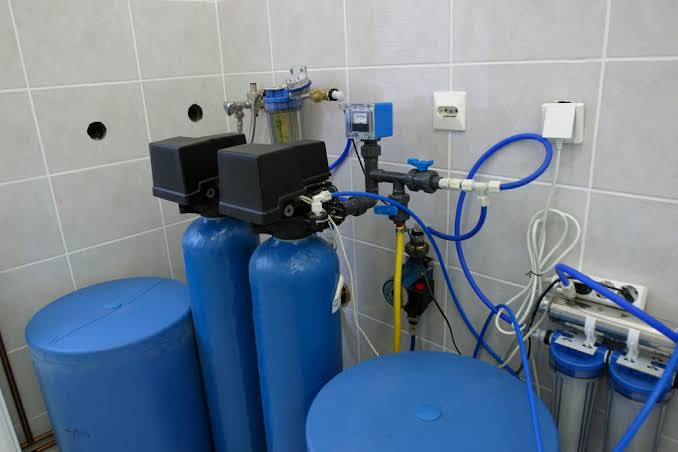
What’s Really in Your Tap Water? Why Testing Comes Before Treatment
Most of us have a fairly straightforward relationship with tap water. We turn on the faucet, fill a glass, wash vegetables, or get the laundry started without giving…

Most of us have a fairly straightforward relationship with tap water. We turn on the faucet, fill a glass, wash vegetables, or get the laundry started without giving it much thought. But occasionally, something catches our attention. The water tastes a little metallic, an orange stain appears around the bathroom sink, or the kettle develops a stubborn layer of white deposits.
These changes naturally raise questions about water quality.
For homeowners in Northeast Illinois, finding the right solution begins with understanding what’s actually in their water supply. Buying a filtration system without investigating the problem first is a bit like buying medicine without knowing what’s wrong.
- From the Kitchen Tap to the Shower: Finding the Right Water Treatment System for Your Home
- Softer Water, Simpler Living: How Central Illinois Homeowners Can Tackle Hard Water Problems
- Keeping Your Water Clean and Reliable from the Well to the Tap
- Choosing the Right Water Treatment System for Your Home
- A Practical Guide to Better Water at Home: Filtration, Drinking Water, and Softening
A more informed approach can save money, prevent unnecessary frustration, and help households make worthwhile improvements.
Why Testing Your Household Water Is Worth the Effort
Water quality isn’t something you can reliably judge by appearance alone. Clear water may contain unwanted substances, while slightly discolored water doesn’t necessarily indicate a serious health concern.
Comprehensive water quality testing and treatment helps homeowners understand the characteristics of their water supply and identify suitable ways to address specific problems.
Testing may measure hardness, iron concentrations, pH levels, and other relevant characteristics. Depending on the water source, laboratory analysis may also be necessary to investigate bacteria, nitrates, lead, or other potentially harmful contaminants.
The findings provide a practical starting point for choosing treatment equipment.
Without that information, homeowners risk investing in systems that solve the wrong problem. A little investigation upfront can make the entire process considerably more straightforward.
Recognizing Common Water Quality Problems Around the House
Sometimes, your home offers useful clues about the condition of its water supply.
White residue around faucets often suggests mineral accumulation associated with hard water. Reddish-brown staining may indicate elevated iron concentrations, while unpleasant odors could have several different explanations.
Perhaps you’ve noticed that your shampoo doesn’t lather particularly well, or your freshly washed glasses always seem cloudy.
These everyday inconveniences aren’t necessarily dangerous, but they can make household maintenance more demanding.
Pay attention to when and where these issues occur. Does the unpleasant smell affect only hot water? Are stains appearing throughout the house or just around one fixture?
These observations can help professionals investigate possible causes, although proper testing remains essential for confirming water quality concerns.
What Experienced Water Treatment Professionals Bring to the Table
There’s certainly no shortage of water treatment products available today. Unfortunately, comparing them can become overwhelming, especially when every product seems to promise impressive results.
Working with providers of professional water treatment services can help homeowners understand test findings, compare suitable equipment, and develop treatment arrangements based on their household requirements.
An experienced specialist should explain what each recommended system does and, equally importantly, what it doesn’t do.
For instance, a traditional softener reduces hardness minerals but isn’t designed to eliminate every drinking water contaminant. Similarly, an ordinary sediment filter cannot remove most dissolved substances.
Good recommendations should have a clear purpose behind them.
Homeowners deserve to understand why they’re purchasing particular equipment rather than simply accepting a complicated proposal filled with unfamiliar terminology.
Why Treatment Should Match Your Specific Water Supply
Two houses located only a few streets apart may have different water quality concerns, particularly if one receives municipal water and the other relies on a private well.
Selecting equipment based on actual water conditions allows homeowners to address their specific needs instead of relying on generalized assumptions about regional water quality.
A household dealing primarily with excessive hardness might benefit from an appropriately sized softening system. Another property may require iron treatment, sediment filtration, or a dedicated drinking water filter.
Some private well supplies may require disinfection or other specialized treatment following laboratory testing.
The point is that effective treatment isn’t necessarily about installing more equipment. It’s about selecting equipment that performs the functions your household genuinely requires.
Understanding the Difference Between Well and Municipal Water
Municipal water undergoes treatment and monitoring before reaching residential properties. Customers can generally access annual water quality reports that provide information about their public supply.
Private well ownership involves different responsibilities. Homeowners are generally responsible for arranging testing, maintaining their wells, and addressing identified water quality problems.
Regular laboratory testing is particularly important because certain contaminants cannot be detected through taste, smell, or appearance.
Testing may also be advisable following flooding, well repairs, or unexpected changes in water quality.
Understanding your water source helps establish realistic treatment priorities and maintenance requirements.
Choosing Equipment With Long-Term Ownership in Mind
A water treatment system might look affordable initially, but purchase price is only part of the financial picture.
Replacement filters, softener salt, servicing, and occasional component replacement can contribute to ongoing expenses.
Before committing to a system, ask about maintenance frequency, equipment warranties, independently verified performance, and replacement part availability.
Consider practical matters such as available installation space, household water consumption, and plumbing compatibility, too.
A dependable system should fit comfortably into your daily routine without becoming another demanding household responsibility.
Better Water Starts With Knowing What You Need
Improving household water quality doesn’t need to involve guesswork or unnecessary purchases. Appropriate testing, clear explanations, and carefully selected treatment methods can make the process far more manageable.
For Northeast Illinois homeowners, the benefits may include fewer mineral deposits, improved taste, easier cleaning, and better management of specific contaminants.
Ultimately, water is too important to leave its quality entirely to chance. It touches nearly every part of life at home, from preparing breakfast to bathing the kids before bedtime.
Understanding what’s flowing through your pipes is a sensible first step toward making those everyday moments a little better.