From the Kitchen Tap to the Shower: Finding the Right Water Treatment System for Your Home
Think about how often you use water before you’ve even left the house in the morning. There’s the shower, the coffee maker, the toothbrush, and perhaps a load…
Think about how often you use water before you’ve even left the house in the morning. There’s the shower, the coffee maker, the toothbrush, and perhaps a load of laundry running in the background. Water is woven into nearly everything we do, yet its quality often goes unnoticed until something becomes unpleasant or inconvenient.
Reliable home water treatment services can help homeowners identify the reasons behind recurring water problems and find practical solutions that complement their everyday routines.
Whether you’re tired of stubborn mineral deposits or simply want better-tasting drinking water, choosing appropriate treatment can be a worthwhile investment.
- What’s Really in Your Tap Water? Why Testing Comes Before Treatment
- Softer Water, Simpler Living: How Central Illinois Homeowners Can Tackle Hard Water Problems
- Keeping Your Water Clean and Reliable from the Well to the Tap
- Choosing the Right Water Treatment System for Your Home
- A Practical Guide to Better Water at Home: Filtration, Drinking Water, and Softening
However, there’s no universal solution that works perfectly for every household. Understanding your water supply is where the process really begins.
Recognizing the Water Problems Hidden in Plain Sight
Some water quality issues are difficult to miss. Orange stains around the toilet, an unpleasant smell coming from the faucet, or tiny particles floating in a drinking glass immediately attract attention.
Other problems develop more gradually.
Perhaps your kettle needs frequent descaling, or your dishwasher leaves cloudy marks on otherwise clean glasses. You might assume these inconveniences are simply part of owning a home.
Hardness minerals, iron, suspended particles, and certain dissolved substances can all influence water characteristics.
However, similar symptoms sometimes have entirely different causes. A metallic taste could be related to household plumbing rather than the original water source.
Appropriate testing helps identify what’s actually happening, making it easier to select treatment equipment that addresses the underlying problem.
Why Whole-Home Filtration Can Be a Practical Investment
Installing individual filters at several faucets can become inconvenient, especially when water quality concerns affect multiple areas of your property.
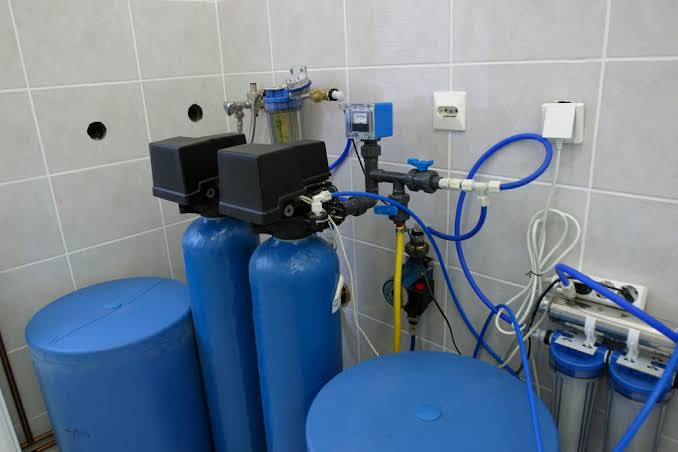
When comparing filters & whole home filtration systems, homeowners should consider which substances need reducing, how much water their household consumes, and whether centralized treatment would offer meaningful benefits.
Whole-home equipment generally treats incoming water near the main supply connection before it reaches connected household fixtures.
Depending on the filtration technology, this arrangement can help address sediment, certain unpleasant odors, and other targeted contaminants.
Some properties may also benefit from separate water softening equipment to manage hardness-related problems.
The appealing aspect of centralized treatment is convenience. Instead of maintaining multiple individual filters, homeowners can manage treatment from a central location.
Nevertheless, equipment should be appropriately sized to maintain suitable water flow during periods of high household demand.
Giving Your Kitchen Water Special Attention
The water you drink deserves slightly different consideration from the water you use to wash clothes or clean the driveway.
Dedicated drinking water systems allow homeowners to focus specialized treatment on water intended for drinking, cooking, and beverage preparation.
Under-sink filtration units are particularly convenient because they occupy relatively little visible kitchen space while providing treated water through a designated faucet.
Activated carbon filters may help reduce certain unwanted tastes and odors. Reverse osmosis equipment can reduce various dissolved contaminants when selected according to verified treatment performance.
The choice depends largely on your incoming water conditions and what you’re hoping to improve.
For some households, a straightforward carbon filter is perfectly adequate. Others may benefit from multiple treatment stages.
The important thing is choosing equipment based on reliable information rather than impressive advertising claims.
Enjoying the Small Benefits of Better Water
Home improvements don’t always need to produce dramatic transformations to be worthwhile.
Sometimes, it’s the little differences that matter most. Your morning coffee might taste more enjoyable, or your bathroom fixtures may require less frequent cleaning after addressing excessive hardness.
Appropriate softening can also improve soap performance and help limit future mineral deposits inside certain water-using appliances.
Think about how often you perform these ordinary tasks throughout the year. Even a modest improvement can make household responsibilities feel less demanding.
Having suitably filtered drinking water readily available may also reduce your dependence on bottled water.
Fewer bulky packages to carry home from the grocery store? That’s a convenience many families would happily welcome.
Municipal Water and Private Wells Have Different Requirements
The source of your household water plays an important role in determining suitable treatment methods.
Municipal supplies generally undergo centralized treatment, although homeowners may still wish to address certain tastes, odors, or property-specific plumbing concerns.
Private wells require a different level of attention because homeowners are responsible for monitoring their water quality.
Regular laboratory testing can help identify microbial contamination and other locally relevant substances.
Depending on the results, additional equipment such as specialized iron filtration or ultraviolet disinfection may be appropriate.
Remember that ordinary filtration doesn’t automatically make unsafe source water drinkable.
Understanding these differences helps homeowners avoid unrealistic expectations while selecting treatment equipment suited to their property’s actual requirements.
Looking Beyond the Initial Installation Cost
Water treatment equipment represents an ongoing investment, not simply a one-time purchase.
Replacement cartridges, treatment media, salt, electricity, and professional servicing may contribute to long-term operating expenses.
Before purchasing equipment, ask about maintenance intervals and replacement component availability.
Installation accessibility matters, too. A filter that’s difficult to reach may become unnecessarily frustrating to service.
Follow manufacturer recommendations and arrange periodic testing when treatment addresses potentially harmful contaminants.
Choosing equipment that’s practical to maintain can make a considerable difference to its long-term value.
Making Better Water Part of a Comfortable Home
Improving household water quality doesn’t need to be an expensive or overwhelming project.
Start with appropriate testing, identify the concerns that genuinely affect your daily life, and choose treatment equipment with demonstrated capabilities.
Whether you need centralized filtration or a dedicated kitchen system, the right arrangement should make everyday living easier rather than more complicated.
After all, water is something your family depends on from morning until night. Giving its quality a little extra attention can bring lasting comfort, convenience, and satisfaction to the place you call home.